What If Your Group Chat Could Keep Your Family Safer—Without Anyone Even Trying?
You know that chaotic group chat with your siblings, cousins, or closest friends—the one full of memes, grocery lists, and last-minute plans? What if it could quietly do something more: help protect your aging parents, check in on a nephew after school, or alert someone when a relative hasn’t been seen? It already holds your inside jokes and weekend plans—what if it could also become a gentle, invisible safety net for the people you love? No extra apps, no awkward check-ins, no pressure. Just the group chat you already use, doing double duty as a quiet guardian for the ones you care about most.
The Messy, Beloved Group Chat That Does More Than You Think
We all have that one group chat. You know the one—where your sister sends a photo of her burnt lasagna at 7 p.m. on a Tuesday, your cousin drops a voice note singing off-key to a 2004 pop hit, and someone—always someone—forgets to mute during a work meeting. It’s messy, it’s loud, it’s gloriously imperfect. And honestly? That’s exactly why it works. This isn’t just a place for coordinating holiday gifts or sharing vacation snaps. It’s a living, breathing web of connection, where love shows up in the form of a quick reply, a shared meme, or a simple “Thinking of you.”
But beneath the chaos, something deeper is happening. These chats are already functioning as emotional support systems, even if we don’t realize it. Think about the last time someone in the group shared news—a doctor’s appointment, a job change, a tough day. How did you find out? Probably not through a formal call or a scheduled update. It was likely a casual text, slipped in between a funny video and a grocery list. And yet, that small message carried weight. We absorb these updates without effort, filing them away in the back of our minds. We notice when someone’s been quiet. We feel it when the rhythm shifts.
That awareness—quiet, intuitive, unspoken—is powerful. It’s not just about staying in touch. It’s about staying tuned in. And that subtle attention can become the first sign that something’s off. Maybe your mom usually sends a photo of her morning coffee, but she hasn’t in two days. Maybe your brother, who always replies within minutes, hasn’t responded to a question about weekend plans. These aren’t red flags we’re trained to watch for—they’re just little gaps in the pattern. But sometimes, those gaps matter. The truth is, your group chat is already doing emotional labor. It’s already holding space for care. What if we let it do a little more?
When “Hey, You Good?” Became a Real Lifeline
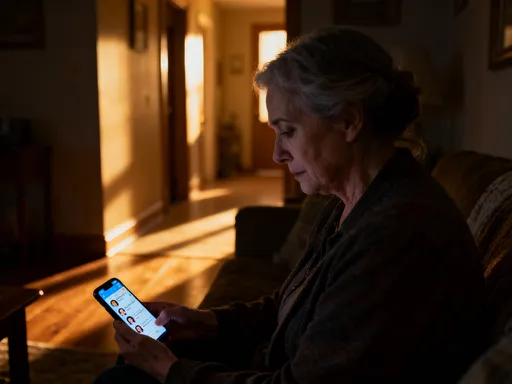
Let me tell you about Lisa. She’s in a group chat with her three siblings and her aunt—nothing fancy, just the usual mix of family updates and ridiculous humor. One week, her mom, who lives alone, stopped responding to messages. At first, no one thought much of it. Her mom wasn’t the most active responder. But then, three days passed. No “Good morning” text. No reaction to a photo of her grandkids in matching pajamas. No reply to a simple “Did you get the soup I dropped off?”
It was Lisa’s sister who spoke up: “Has anyone heard from Mom? She hasn’t opened any of the messages.” That small detail—message read receipts—was the nudge they needed. No one had planned to monitor this. No one had set up alerts. But because they were all used to seeing her name pop up in the “read” list, her absence stood out. Lisa called the house. No answer. Her brother drove over. He found her on the kitchen floor, had taken a fall the night before and couldn’t reach her phone. She was okay—shaken, bruised, but alive. And it was that group chat, that casual digital thread, that made the difference.
What’s powerful here isn’t technology. It’s attention. It’s the fact that, without anyone saying it out loud, they’d built a rhythm of presence. They didn’t need a safety app. They didn’t need daily check-in calls. They just needed to notice when someone wasn’t there. And because they did, they acted. This isn’t about surveillance. It’s about care showing up in the smallest ways. A “Hey, you good?” text might seem like nothing—but in the right moment, it can be everything.
How Quiet Participation Builds a Safety Web
Think about how you use your phone every day. You don’t always reply to every message, but you open them. You might not comment on every family photo, but you view it. You listen to voice notes while folding laundry or sipping coffee. These small, passive actions—reading, viewing, reacting—are invisible, but they create patterns. And patterns tell stories.
When someone stops opening messages, or stops reacting to photos, or stops appearing in the “online” list, it can signal a change. Maybe they’re just busy. Maybe they’re traveling. But sometimes, it means something more. The beauty of this kind of awareness is that it doesn’t require effort. It’s not about logging in to check on someone. It’s about living your life in a shared digital space—and naturally noticing when someone’s missing from the rhythm.
Imagine your group chat as a kind of digital peripheral vision. You’re not staring at it, but you’re aware of it. You feel the pulse of the group. When someone’s usual energy goes quiet, it registers, even if you don’t name it right away. That cousin who always shares the latest family gossip? Gone silent. That aunt who sends a daily flower photo? Nothing for days. These aren’t alarms. They’re whispers. And sometimes, whispers are enough to prompt a call, a visit, a simple “Just checking in.”
This isn’t about tracking. It’s about togetherness. It’s about the fact that when we share space—digital or physical—we begin to sense each other’s rhythms. We learn what normal looks like. And when it shifts, even slightly, we notice. That’s not technology being smart. That’s people being connected. The chat is just the container. The real magic is in the relationships it holds.
Turning “Just Checking In” Into Real Action
Noticing is the first step. But action is what saves lives. And the good news? You don’t need a crisis plan or a formal protocol. You just need a little courage to reach out.
Back in Lisa’s story, no one panicked. No one sent a group message saying, “EMERGENCY.” Instead, her sister sent a private text: “Hey, just wanted to make sure you’re okay. You haven’t been online in a few days.” When there was no reply, she called a neighbor. Simple. Calm. Human. That’s the power of low-pressure care. It doesn’t have to be dramatic. It doesn’t have to be perfect. It just has to happen.
Think about your own group. Who would notice if you went quiet? And who would you notice? Maybe it’s your niece who usually shares TikTok dances. Maybe it’s your brother who always sends a sunset photo from his walk. Whoever it is, the next step is the same: reach out. Not with fear. Not with guilt. But with love. A text. A call. A knock on the door. Sometimes, the most powerful thing you can do is be the one who asks.
And here’s the thing—when you do, you’re not just helping one person. You’re reinforcing a culture of care. You’re showing everyone in the group that presence matters. That silence isn’t ignored. That we look out for each other, even when life gets busy. That quiet moment of action becomes a quiet moment of connection. And over time, that builds trust. It builds safety. It builds family.
Setting It Up Without Making It Obvious
Now, I know what you might be thinking: “This sounds great, but my family would never go for a ‘safety chat.’” And you’re probably right. If you announced, “From now on, we’re using this group to monitor each other’s well-being,” you’d get eye rolls. Maybe even an exit from the chat.
But here’s the secret: you don’t have to say anything. You don’t have to label it. You don’t have to make it official. You just have to nurture the habits that make care visible. Start small. Share little updates—“Made it home safe!” “Doctor’s visit went well!” “Just saw the most beautiful bird in the yard!” These aren’t just niceties. They’re signals. They teach people what your rhythm looks like. And when it changes, they’ll notice.
Use voice messages. They feel more personal. They carry tone. They make absence more noticeable. Encourage little rituals—“Post a selfie every Sunday!” “Send a song that matches your mood!” “Tag someone who made you smile today.” These aren’t chores. They’re joys. But they also build rhythm. They make silence stand out.
And when someone misses a beat? Don’t call it out. Just reach out. “Haven’t seen you around—everything okay?” No pressure. No guilt. Just love. Over time, these small actions create a shared understanding: this chat isn’t just for fun. It’s for us. For all of us. And that understanding grows quietly, naturally, without anyone ever having to say the words.
Privacy, Trust, and the Unspoken Rules
Of course, not everyone feels comfortable with this. Some people worry about privacy. Some don’t like the idea of being “watched.” And that’s fair. No one wants to feel like they’re under observation. So how do we balance care with respect?
It starts with trust. And trust starts with consistency. If the group is a place of joy, humor, and real connection, then care feels natural, not invasive. If the only time someone checks in is when they’re worried, it feels like surveillance. But if the group is already full of love, then a “Hey, you good?” text feels like part of the fabric.
Consent matters, too. You can’t force anyone to participate. But you can invite. You can model. You can make the group a place where sharing feels safe, not pressured. If your mom doesn’t want to send daily photos, don’t push her. But if she does, celebrate it. If your cousin prefers to stay quiet, respect that. But if she suddenly goes silent, it’s okay to wonder.
And here’s the truth: this only works if it’s mutual. It’s not about one person watching everyone else. It’s about all of us looking out for each other. That balance—between care and freedom, between connection and privacy—is delicate. But it’s possible. Because at its core, this isn’t about control. It’s about love. And love, when it’s real, knows the difference between watching and caring.
A New Kind of Family Glue—Digital, But Deeply Human
In the end, it’s not about the technology. It’s not about read receipts or message timestamps or who posted what. It’s about the people behind the screens. It’s about the aunt who sends flowers every spring. The nephew who shares his school art projects. The sister who calls you “my person.” These chats aren’t just digital noise. They’re modern heirlooms. They’re where love lives now.
And when we use them wisely, they can do more than entertain. They can protect. They can comfort. They can connect us across miles and years and life’s chaos. We don’t need fancy tools or complicated systems. We just need to pay attention—to each other. To the rhythms. To the silences. To the small moments that say, “I’m here.”
That group chat? It’s already a safety net. It’s already a lifeline. It’s already a place where care lives, quietly and constantly. And the best part? It doesn’t ask for more of your time. It doesn’t add to your load. It just asks you to keep doing what you’re already doing—staying connected, staying kind, staying present.
So the next time you send a meme, or reply to a voice note, or share a photo of your dinner, remember: you’re not just passing time. You’re weaving a web of care. You’re helping keep your people safe, one small message at a time. And that’s not just smart tech. That’s smart love. That’s the kind of family we all want to be part of—one that shows up, even when no one says a word.