I used to white-knuckle every drive: How driving behavior analysis learned to coach me gently
We’ve all been there—gripping the wheel too tight, braking too hard, or zoning out on a familiar route. Driving feels automatic, until it’s not. I used to think I was a fine driver—until a quiet little app started noticing what I didn’t: my tension, my distractions, even my stress. It didn’t scold me. It learned with me. Over time, something shifted—not just my driving, but my awareness, my control, my calm. This isn’t about perfection. It’s about progress, one mindful mile at a time.
The Wake-Up Call: When My Car Noticed I Wasn’t Fully Present
I never thought my driving needed improvement—until a simple alert changed everything. It was just another Wednesday, rain tapping softly on the windshield as I drove home from work, mentally replaying a meeting that didn’t go quite right. My hands were tight on the wheel, shoulders hunched, jaw clenched. I wasn’t angry, exactly—just worn down, carrying the weight of the day like an extra bag in the backseat. Then my phone buzzed. Not a text. Not a call. Just a soft chime and a message: “You seemed distracted at the last intersection.”
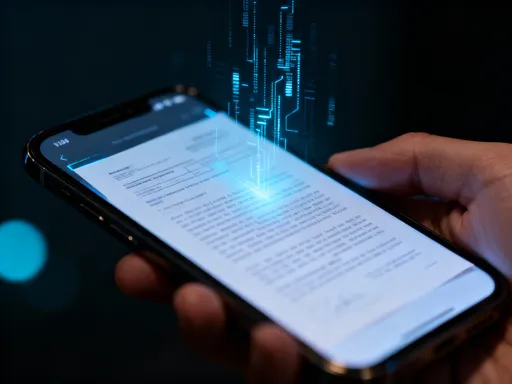
I blinked. Distracted? I hadn’t run a red light. I hadn’t swerved. I’d just glanced at the radio to change a song. But the system—built into the navigation app I’d been using for years—had picked up on the micro-moment: eyes off the road for 1.8 seconds, hands shifting abruptly, a slight deceleration that wasn’t smooth. It didn’t flag me as reckless. It didn’t send a report to anyone. It just gently noted, like a friend leaning in: Hey, you might not have realized that.
That tiny alert cracked something open. I realized I’d been on autopilot for years—driving the same routes, reacting without thinking, carrying stress into the driver’s seat like second nature. The technology wasn’t new; I’d had it on my phone all along, quietly collecting data on braking patterns, steering consistency, and even voice tone if I used hands-free calls. But I’d ignored the insights, treating it like background noise. Now, I started paying attention. And what I discovered wasn’t just about driving—it was about how I was living.
One evening, I reviewed the day’s summary. A little graph showed spikes in tension during my commute. Hard braking events clustered around rush hour. My voice, during a hands-free call with my sister, registered as elevated—tense. I hadn’t noticed any of this in the moment. But there it was, reflected back at me like a mirror I’d been avoiding. This wasn’t about being a bad driver. It was about being an unaware one. And for the first time, I wondered: what else was I missing?
Learning to See What I’d Always Missed
At first, the feedback felt invasive. I caught myself muttering, “Why does it care if I brake hard at a red light?” as if the app were judging me. I didn’t want to feel watched. I didn’t want another voice telling me I wasn’t doing enough, being enough. But the more I used it, the more I realized: this wasn’t surveillance. It was support. The system didn’t shame me. It didn’t compare me to other drivers or rank my performance. It simply showed me patterns—quiet, consistent, and kind.
And slowly, I began to see the connections. Those hard brakes? They almost always followed a stressful meeting or a tense phone call. The times I drifted slightly in my lane? Usually after skipping lunch or getting into a disagreement with my partner before leaving the house. The app didn’t know the details of my day, but it could sense the ripple effects. My emotions weren’t staying in my head—they were showing up in my hands, my foot on the pedal, the way I held my breath at stoplights.
One morning, after a restless night, I got into the car feeling foggy. Before I even turned the key, the app offered a gentle suggestion: “You might feel a bit tired today. Try a deep breath before starting.” I rolled my eyes—just a little—but I did it. In through the nose, out through the mouth. And something shifted. Not dramatically, but enough. I sat up straighter. My grip on the wheel softened. I noticed the trees along the road, the way the sunlight hit the pavement. For the first time in weeks, I arrived at work feeling present, not just physically, but mentally.
This was the real gift: awareness. Not perfection. Not control. Just the ability to notice—before I reacted, before I snapped, before I white-knuckled my way through another drive. The technology didn’t fix me. It helped me see myself. And that made all the difference.
From Awareness to Action: Small Shifts That Built Confidence
Knowing my habits was one thing. Changing them was another. I could see the data, but I didn’t always know what to do with it. That’s where the app stepped in—not with rules, but with gentle guidance. After a week of frequent hard braking, it suggested a five-minute breathing exercise I could do before starting the car. “Try this when you’re feeling rushed,” it said. I laughed at first—me, doing breathing exercises in my driveway? But I tried it. And to my surprise, it worked.
The app also offered tiny, practical tweaks: adjusting my seat so my back was fully supported, placing my phone in a mount at eye level to reduce glancing down, even suggesting I play calmer music during evening drives. These weren’t big demands. They were small invitations to care—for myself, for my passengers, for the way I moved through the world.
What surprised me most was how the app celebrated progress. No medals. No leaderboards. Just quiet affirmations: “Smooth braking today—great job!” or “You stayed focused through three green lights in a row.” At first, I found it almost too sweet, like praise for tying my shoes. But over time, I realized how much I needed that kindness. How much we all do.
My daughter, who rides with me every day, noticed the change before I did. “Mom,” she said one afternoon, “you don’t yell at cars anymore.” I blinked. I hadn’t realized how often I’d muttered under my breath at slow drivers, how my voice had tensed when someone cut me off. But she’d heard it. And now, she was smiling. “It’s quieter in here,” she added. That hit me right in the heart. This wasn’t just about driving safer. It was about creating a calmer space—for her, for me, for us.
I started arriving places feeling different. Not rushed. Not drained. Just… present. And that presence didn’t vanish when I turned off the engine. It followed me into meetings, into conversations, into the way I greeted my family at the door. The car, once a place of stress, had become a training ground for peace.
The Hidden Link Between Control and Calm
I used to think control meant power. Speed. Getting where I was going fast, no matter the cost. But this journey taught me something unexpected: real control isn’t about dominating the road. It’s about staying in tune with yourself. The smoother my driving became, the calmer I felt—not because I was suppressing emotion, but because I was acknowledging it.
One rainy afternoon, I got stuck behind a delivery truck making frequent stops. Old me would have sighed, checked my watch, maybe even honked. But this time, I took a breath. The app had been tracking my progress, and I’d been doing well with patience lately. Instead of reacting, I turned on a podcast I loved—something light, something kind. I noticed the rhythm of the wipers, the way the streetlights glowed through the mist. I wasn’t just passing time. I was present in it.
That’s when it clicked: the car had become a space for mindfulness. Not in a forced, “let’s meditate in traffic” kind of way, but in a real, grounded way. The technology didn’t drive for me. It didn’t take over. But it helped me drive better—not just as a driver, but as a person. It reminded me to breathe, to adjust, to notice. It helped me stay connected to my body, my emotions, my intentions.
And the more I practiced, the more natural it felt. I wasn’t fighting my instincts. I was refining them. The honk I didn’t make. The breath I took instead of the curse. The moment I caught myself tensing and chose to relax. These weren’t small things. They were acts of quiet courage. And they added up.
Control, I realized, wasn’t about what I could force. It was about what I could choose. And in a world that often feels out of control, that choice felt like freedom.
Sharing the Road, Sharing the Growth
My partner, Mark, had always been a calm driver. Steady. Predictable. I used to joke that he could sleepwalk behind the wheel. So when I told him about the app, he was skeptical. “I don’t need coaching,” he said. “I’ve been driving for 30 years.” But after a few weeks of hearing me talk about my insights, he downloaded it too. Just to try it.
At first, we compared our scores like it was a game. “Look, I had only one hard brake today!” “I stayed focused through the whole school zone!” But soon, something deeper emerged. The data became a conversation starter. “You seemed stressed today—everything okay?” I asked one evening, after noticing his tension spike during his commute. He paused. Then admitted he’d had a difficult conversation with his brother. We talked—really talked—about how he was feeling. Not just about the drive, but about life.
That moment changed everything. The car, once a place of silence or small talk, became a space for connection. We started checking in before drives. “How are you feeling?” “Need a quiet ride or some music?” The app didn’t create our bond—but it gave us a new language for it. A way to care for each other, even when we were behind the wheel.
We also began planning our trips differently. If one of us was having a tough day, we’d take a longer, calmer route. We’d leave earlier to avoid rush hour. We’d switch drivers if someone needed a break. The technology didn’t make these choices for us. But it helped us make them with more awareness, more compassion.
Driving together didn’t feel like a chore anymore. It felt like time. Time to talk. Time to breathe. Time to just be.
Raising a New Driver with a Digital Mentor
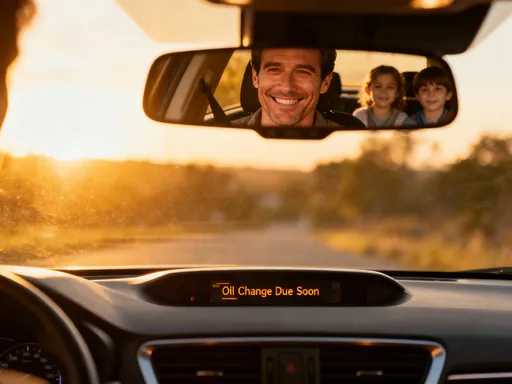
When my son, Jake, turned 16, I’ll admit—I was terrified. Not because he wasn’t responsible. He was. But because I remembered what it was like to be a new driver: distracted, overconfident, blind to risk. I didn’t want to hover. I didn’t want to nag. But I wanted him to be safe. So instead of lectures, I introduced him to the app. Not as a punishment. Not as a spy tool. But as a coach.
He was skeptical at first. “Mom, I don’t need a robot telling me how to drive.” But after his first solo drive, he came back curious. “It said I braked too hard at the stop sign. I didn’t even realize.” We looked at the feedback together. No blame. No shame. Just facts. We practiced smooth braking in an empty parking lot. He learned to anticipate stops, to keep his eyes scanning, to stay calm when things didn’t go as planned.
The app gave him real-time feedback: “Try easing into the turn.” “You’re doing great staying in your lane.” It wasn’t me yelling from the passenger seat. It was a neutral voice, consistent and kind. And because it wasn’t emotional, he listened.
More than that, it gave us a shared framework. Instead of me saying, “You’re driving too fast!” he could see the data for himself. We could talk about it calmly, without tension. The app became a third party in our conversations—objective, helpful, not invested in being right.
But the biggest surprise? It taught him mindfulness from day one. He wasn’t just learning to drive. He was learning to notice—his speed, his focus, his mood. He started asking himself, “Am I distracted?” before picking up the phone. “Am I rushing?” before turning the key. These weren’t habits I could have forced. They grew naturally, guided by gentle feedback.
And as a parent, that peace of mind? It’s priceless. I still worry—because that’s what moms do. But now, I worry less. Because I know he’s not just driving with skill. He’s driving with awareness.
Driving Into the Future: Where Technology Meets Humanity
This journey wasn’t about becoming a perfect driver. It wasn’t about chasing high scores or impressing an algorithm. It was about becoming more present, more aware, more human. The technology didn’t replace instinct. It didn’t take over. It simply helped me listen—to my body, to my emotions, to the quiet signals I’d been ignoring for years.
Every alert, every insight, every gentle nudge reminded me: I have a choice. I don’t have to carry stress into the car. I don’t have to react before I think. I don’t have to white-knuckle my way through life. I can breathe. I can adjust. I can choose calm.
And that calm? It doesn’t stop at the parking spot. It follows me into the grocery store, into parent-teacher conferences, into bedtime stories with my daughter. The habits I built behind the wheel—patience, presence, self-awareness—have spilled into every corner of my life. I listen better. I respond instead of react. I notice the small things: the way my tea steams in the morning, the sound of rain on the roof, the quiet pride in my son’s voice when he says, “I drove smoothly the whole way.”
Technology is often framed as cold, distant, dehumanizing. But my experience has been the opposite. This tool didn’t make me less human. It helped me become more fully myself. It didn’t drive for me. But it helped me drive with intention. With care. With heart.
So if you’ve ever gripped the wheel a little too tight, if you’ve ever arrived somewhere exhausted from the journey, if you’ve ever wondered whether you’re showing up the way you want to—know this: you’re not alone. And there’s help. Not in the form of judgment, but in the form of gentle guidance. Not to fix you, but to help you see yourself more clearly.
Because sometimes, the most powerful technology isn’t the one that does everything for us. It’s the one that helps us do better—for ourselves, and for the people we love. And that? That’s worth every mindful mile.