Scanned 300 Pages in One Weekend: How We Finally Organized Our Family’s Chaos Together
Imagine standing in your kitchen, holding a stack of crumpled school forms, expired insurance papers, and your child’s art project receipts—all threatening to bury the counter. You’re not alone. I once faced the same mountain of paperwork, feeling overwhelmed and disconnected from my family’s rhythm. But then, a simple tech tool changed everything. It didn’t just clear the clutter—it brought us closer, helping us collaborate like never before. That weekend, we scanned 300 pages. And in the process, we didn’t just organize paper. We reorganized our lives.
The Paper Mountain That Almost Broke Our Household
It started small—a permission slip here, a doctor’s note there. Then, before I knew it, our kitchen counter had become a landfill of paper. There were half-filled forms, old receipts, school newsletters I never got around to reading, and medical records that seemed to multiply every time we visited the clinic. Every weekend, I’d promise myself, This is the week I’ll get organized. But life kept happening. The kids needed help with homework. Dinner had to be made. Laundry piled up. And just when I thought I had a handle on things, someone would ask, “Did you sign the field trip form?” or “Where’s the insurance card?” and I’d freeze, knowing it was somewhere in that pile—but where?
The truth is, the paper wasn’t just messy. It was emotional. Every unsigned form felt like a failure. Every lost document made me question whether I was doing enough as a mom, a partner, a manager of our household. I wasn’t just stressed about the clutter—I was stressed about what it said about me. And it wasn’t just me. My partner would sigh when he saw the stack, and the kids started avoiding the kitchen, sensing the tension. We were all tiptoeing around a problem we didn’t know how to fix. The paper wasn’t just taking up space. It was stealing our peace.
What made it worse was that we were all contributing to the chaos without meaning to. The kids came home with art projects and handouts. My partner brought home bills and work-related documents. I collected medical records, school updates, and tax information. No one was trying to make things worse—but no one was trying to make them better, either. We were drowning in good intentions. And the saddest part? We weren’t even aware of how much time we were losing. Searching for a single document could take 15 minutes. Arguments over forgotten forms would last hours. That mental load—the constant background noise of Did I do that? Where is that?—was exhausting. I realized then that disorganization wasn’t just inconvenient. It was eroding our connection.
Discovering the Quiet Power of Document Scanning
The turning point came when my sister texted me a scanned copy of her child’s summer camp form. “Just sign and send it back,” she wrote. I stared at the file on my phone, amazed that something so simple could feel so revolutionary. No printing. No scanning at the library. No hunting for a pen. I signed it with my finger, hit send, and moved on with my day. And in that moment, something clicked. Why weren’t we doing this?
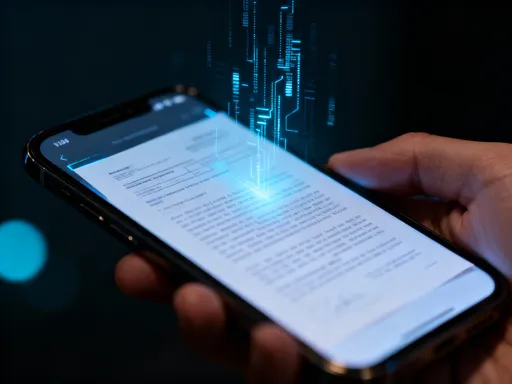
I started looking into document scanning apps—real ones, not the kind that require a degree in engineering to use. I found apps that work right from your smartphone, with features like automatic edge detection, text recognition, and cloud backup. I tested a few, and within days, I had a small folder of scanned documents: my daughter’s vaccination record, last year’s tax summary, a warranty for the coffee maker. It felt like magic. But more than that, it felt like control. For the first time in years, I knew exactly where everything was. No more frantic searches. No more guilt over lost papers. Just tap, scan, save. That’s it.
The emotional relief was instant. I remember the first time I needed my son’s immunization record during a last-minute doctor’s appointment. In the old days, I would’ve panicked, digging through drawers, blaming myself for not being better organized. This time, I opened the app, typed “immunization,” and pulled up the file in seconds. My hands didn’t shake. My voice didn’t crack. I just handed the phone to the nurse and said, “Here it is.” That small moment gave me more confidence than I’d felt in months. It wasn’t just about the document. It was about knowing I could handle things. The technology didn’t make me more capable—it helped me remember that I already was.
Turning Scanning Into a Family Ritual
At first, scanning felt like just another chore—something else to add to my endless to-do list. But then I realized: this didn’t have to be mine alone. What if we made it a family thing? So one Sunday morning, I gathered everyone in the living room with our phones and a big box of paper. I showed them how to use the app—how to line up the document, tap the screen, and name the file. My daughter giggled when her first scan came out crooked. My son proudly announced, “I scanned my spelling test!” My partner raised an eyebrow but joined in when he saw how fast it went.
That first session, we scanned over 100 pages. We didn’t finish everything, but we made progress—and more importantly, we did it together. We laughed at old birthday invitations. We celebrated finding my daughter’s lost art contest certificate. We even discovered a receipt for a family dinner we’d forgotten we’d had. The pile wasn’t just paper. It was memory. And by scanning it, we were preserving it.
Now, every Sunday, scanning has become our quiet ritual. The kids know to bring home any papers they want to keep. My partner reviews bills and files insurance documents. I handle medical records and school forms. We all contribute to the same digital folder—secure, backed up, and accessible from any device. It’s not just about organization. It’s about participation. When everyone has a role, no one feels burdened. When everyone sees the system working, everyone believes in it. And when we finish, we don’t just feel productive—we feel connected. We’ve turned a source of stress into a moment of togetherness.
How One Folder Reduced Our Weekly Arguments by Half
I didn’t expect scanning to fix our communication, but it did. Before, arguments would spark over the simplest things. “You said you’d sign the form!” “No, I gave it to you!” “Well, it’s not my job to remember everything!” Sound familiar? The problem wasn’t lack of care. It was lack of clarity. We were all working from different versions of reality—with different piles, different memories, different levels of stress.
But once we had one shared digital folder, everything changed. Now, when the school emails about a permission slip, someone checks the folder. If it’s there, great. If not, we scan it together. No blame. No finger-pointing. Just action. When my son needed proof of residency for a sports league, my partner found the utility bill in seconds. When I needed my dental insurance info, I pulled it up during the appointment. The power of having one source of truth can’t be overstated. It’s like giving your family a shared brain.
And the best part? It’s reduced our stress in ways I didn’t expect. No more last-minute panics. No more duplicated efforts. No more guilt trips. We’ve stopped asking, “Why didn’t you…?” and started saying, “Let me check the folder.” That small shift—from accusation to collaboration—has transformed our dynamic. We’re not just a family who shares a home. We’re a team who shares responsibility. And that makes all the difference when life gets busy.
Teaching Kids Responsibility Through Tiny Digital Tasks
One of the most surprising benefits has been how much it’s helped our kids grow. At first, I thought scanning would be too technical for them. But kids today are digital natives—they pick things up fast. I started giving them small roles: my daughter names the files, my son sorts school handouts into categories. At first, it was just about keeping them busy. But soon, I noticed something beautiful happening.
My daughter began reminding me when she had a new certificate to scan. My son started organizing his backpack, knowing what needed to be saved. They weren’t just helping—they were learning. They were learning that responsibility doesn’t have to be a punishment. It can be a contribution. When my daughter scanned her science fair project and saw it safely saved in the folder, she said, “I did that all by myself.” That pride wasn’t about the app. It was about knowing she could be trusted.
These small moments are building something bigger. They’re learning digital literacy—not through screens and games, but through real-life tasks. They’re learning teamwork—because we all depend on each other to keep the system running. And they’re learning that organization isn’t about perfection. It’s about progress. When they see that their effort makes our lives easier, they feel valued. And when they feel valued, they want to do more. It’s not just about scanning paper. It’s about shaping their character—one document at a time.
Beyond Paper: Building a Culture of Shared Responsibility
What started as a paper problem became a family habit. And that habit started spilling into other areas of our lives. We began asking, “Can we digitize this?” not just for paperwork, but for anything that felt repetitive or stressful. We created shared calendars so everyone could see doctor’s appointments and soccer practices. We started a digital meal planner where the kids could vote on dinner ideas. We even made a vacation savings tracker—complete with photos of the beach we’re dreaming of.
The scanning habit taught us that when information is shared, responsibility becomes shared. And when responsibility is shared, life gets lighter. We’re no longer guessing what the other person knows. We’re no longer keeping secrets from each other—intentionally or not. We’re building transparency, one folder at a time. And that transparency has led to better communication, fewer misunderstandings, and more mutual support.
Now, when a new challenge comes up—like planning a birthday party or preparing for a school conference—we don’t fall into old patterns of stress and blame. We ask, “How can we organize this together?” We look for ways to make information visible, accessible, and shared. We’ve stopped seeing technology as something that distracts us from family—and started seeing it as something that can protect our time together. It’s not about replacing human connection. It’s about removing the barriers that get in the way of it.
A Lighter Home, A Fuller Life
Looking back, I realize the real win wasn’t scanning 300 pages. It was reclaiming our mental space. It was walking into the kitchen without dread. It was being able to focus on my daughter’s story about her day instead of worrying about where I left the dentist’s form. The physical clutter was bad, but the mental clutter was worse. And clearing both gave us something priceless: presence.
We’re not perfect. We still get busy. We still forget things. But now, we have a system that helps us recover faster. We have a way to stay aligned, even when life pulls us in different directions. And we have a reminder that small actions—done consistently and with love—can create big change.
Technology didn’t fix our family. We did. But it gave us the tools to do it better. It helped us turn chaos into collaboration, stress into strength, and paper into peace. If you’re standing in your kitchen right now, staring at a pile of forms and wondering how to start—take a breath. Pick up your phone. Scan one thing. Then do it again next weekend. Invite your family to join. Make it a moment, not a chore. Because what you’re really doing isn’t just organizing paper. You’re building a home where everyone feels seen, supported, and part of something meaningful. And that? That’s the kind of life we all want for our families.