Tracked My Posture for 6 Months: The Photo App That Fixed My Back Pain
Six months ago, I was just like you—bent over my phone while waiting for dinner to finish, slouched on the couch answering emails, leaning forward at my desk like I was trying to climb into the screen. I didn’t think much of it. A little back stiffness? Normal. Neck tightness after a long day? Just part of getting older, right? But then one quiet Sunday morning, I opened a photo app to edit a selfie—nothing serious, just a quick filter—and something caught my eye. It wasn’t my messy hair or tired eyes. It was my posture. My shoulders were rounded like parentheses, my head jutted forward like I was peering into tomorrow, and my spine looked… off. I hadn’t felt pain yet, not really, but the picture didn’t lie. That single image became the start of a journey—one I never expected would come from an app meant for smoothing skin and brightening smiles.
The Moment I Noticed: How a Selfie Revealed a Hidden Problem
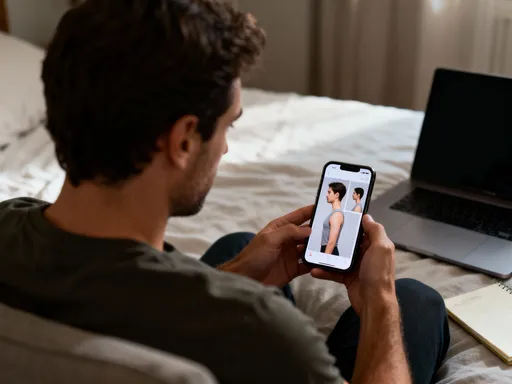
It started with a simple side-by-side comparison. I was playing around with a photo editing app, the kind most of us have on our phones—nothing fancy, just something to tweak lighting or straighten a crooked horizon. I pulled up two selfies: one from last month and one from today. At first, I was focused on whether my hair looked better parted on the left or right. But as I zoomed out, something deeper hit me. My posture in the newer photo was worse. My shoulders were more collapsed, my neck more strained, and my head seemed to float further forward than before. It wasn’t dramatic in the moment, but the difference was undeniable. I hadn’t noticed it day by day because changes like this sneak in—quietly, slowly, like ivy climbing a wall.
I work from home, and like so many of us, my days are spent moving between screens: laptop in the morning, phone during errands, tablet at night. I thought I was being careful—stretching when I remembered, switching chairs, using a cushion. But the photos told a different story. They revealed a pattern I couldn’t feel: my body was adapting to convenience, not health. The app’s grid overlay, meant to help center faces in photos, suddenly became a mirror for my spine. When I lined up the vertical guide with my ear, shoulder, and hip, I saw the misalignment clearly. My ear was far in front of my shoulder. That’s not just unflattering—it’s a recipe for tension, fatigue, and long-term discomfort.
That moment changed everything. I realized I didn’t need a doctor’s appointment or an expensive posture brace to see what was happening. I already had the tool in my pocket. The app wasn’t designed for health tracking, but it didn’t matter—photos don’t lie. They capture reality, even the parts we ignore. And for the first time, I could see what my body had been trying to tell me all along.
From Filters to Feedback: How Photo Editing Apps Can Monitor Physical Changes
It’s easy to think of photo editing apps as shallow—tools for vanity, not value. But here’s what most of us miss: every time we take a selfie, we’re capturing more than our face. We’re capturing our posture, our tension, even our energy. The lighting, the angle, the background—these can change, but the way we hold our body? That leaves a consistent mark. And when you start looking with intention, those everyday snapshots become powerful feedback.
I began paying attention to features I’d never used before. The symmetry tool, originally meant to balance facial features, helped me spot how my head tilted slightly to one side. The zoom function let me examine the curve of my upper back—was it rounded like a question mark, or gently aligned like a soft C? Even the crop tool became useful. By cropping to the same body frame each time, I created a consistent visual baseline. Over time, I wasn’t using the app to look better—I was using it to see better.
One of the most surprising tools was the timeline. Most apps save your editing history, and I started reviewing mine weekly. I’d scroll through the past month’s edits and notice subtle shifts. In photos taken after long work sessions, my shoulders were tighter, my chin more forward. On days when I’d gone for a walk or done a few stretches, I stood taller, even in casual shots. The app didn’t analyze my posture—it didn’t need to. I was doing the analysis, and the visuals made it effortless. It was like having a personal trainer in my pocket, one who didn’t lecture or judge, but simply showed me the truth.
This wasn’t about perfection. It wasn’t about looking like a model. It was about awareness. And that awareness, sparked by a tool I already used every day, became the foundation of real change.
Building a Routine: Using Daily Photos as a Posture Check-In
Once I saw the problem, I wanted to fix it—but I knew willpower alone wouldn’t last. I needed a system. So I created a simple habit: every morning after brushing my teeth, I’d take a full-body photo in the same spot, wearing similar clothes, in natural light. No filters, no editing, just a quick snapshot. At first, it felt silly. Was I really going to start my day by photographing myself? But within a week, it became as routine as making coffee.
Every Sunday, I’d open the app and review the week’s photos side by side. I’d look for small signs: was my head more centered? Were my shoulders relaxed instead of hunched? Did my spine look more aligned? The changes were subtle at first—just a slight improvement in how I held myself. But seeing them in black and white (well, color, but you know what I mean) made all the difference. Progress isn’t always dramatic. Sometimes it’s just standing an inch taller without thinking about it.
The app’s timeline view became my visual journal. I could scroll back and see how far I’d come. Month one: frequent slouching, visible tension in the neck. Month three: more awareness, occasional good posture, but still slipping when tired. Month six: consistent alignment, even in candid moments. The photos didn’t just show my body—they showed my commitment. And that visual proof kept me going on days when I felt like skipping the habit.
What started as a curiosity turned into a ritual. I wasn’t just tracking posture—I was building body awareness. And the best part? I didn’t need any new gadgets, subscriptions, or apps. Just the phone I already had and a few minutes a day.
The Connection Between Screen Time and Body Awareness
Here’s an irony: the same screens that caused my poor posture also helped me fix it. I spent hours hunched over my devices, but those same devices—through the photo app—became my allies in healing. It wasn’t about giving up technology. It was about using it more mindfully.
I began to notice patterns. Long editing sessions on the app—ironic, right?—often left me with stiff shoulders and a sore neck. But instead of ignoring it, I started using the app as a cue. Every time I opened it to edit a photo, I’d pause for ten seconds and check my posture. Sit up tall, roll my shoulders back, tuck my chin. What was once a passive activity became an active wellness moment. I even set a gentle reminder on my phone: “Editing? Check your posture.” Simple, but effective.
This shift changed my relationship with screen time. Instead of feeling guilty about being online, I started using those moments to reconnect with my body. Scrolling through photos? Pause and stretch. Answering emails? Sit with support. Watching a show? Sit upright, not sprawled. The screen didn’t have to be the enemy. It could be the reminder.
And here’s the thing—this wasn’t just about my back. It was about presence. When I paid attention to how I sat, I started paying attention to how I breathed, how I moved, how I felt. The photo app didn’t teach me posture. It taught me awareness. And that awareness spilled into everything—my energy, my focus, even my mood.
Sharing Progress: How Visual Proof Strengthened Family Health Conversations
One evening, I showed my sister my photo timeline. I wasn’t trying to impress her—just sharing what had helped me. But her reaction surprised me. “Wait, that’s me,” she said, pointing to one of my early photos. “I look just like that at my desk.” We both laughed, but it was a knowing laugh—the kind that says, “We’ve all been there.”
That night, we started a little challenge. We’d take weekly posture check-ins and share them in a private photo album. No pressure, no competition—just support. At first, it was fun. But soon, it became meaningful. We’d leave little comments: “Love how you’re standing taller this week!” or “Try relaxing your shoulders—your neck will thank you.” It wasn’t medical advice. It was sisterly care, wrapped in technology.
What surprised me most was how the photos made health feel real. Talking about “good posture” can feel abstract. But seeing it? That’s different. When my niece saw the side-by-side comparisons, she said, “Auntie, you look stronger now.” That hit me right in the heart. It wasn’t about looks—it was about strength, confidence, care.
Our little habit even spread to my mom. She started taking photos in her living room, using a doorframe as a backdrop. She’d send us updates: “Day 10 of standing tall!” It became a family ritual, a quiet way to say, “I’m thinking of you, and I want us all to feel our best.” And it all started with a selfie.
Beyond Appearance: Discovering the Emotional Side of Physical Alignment
I expected to feel less pain. I didn’t expect to feel more confident. But that’s exactly what happened. As my posture improved, so did my mood. Standing taller didn’t just change my spine—it changed my mindset. I felt more present, more capable, more like myself.
There’s science behind this, of course. Research shows that upright posture can boost mood, reduce stress, and even increase confidence. But I didn’t need a study to tell me that. I could feel it. On days when I slouched, I felt sluggish, unfocused, a little defeated. On days when I stood tall, I walked with purpose, spoke with clarity, and carried myself like someone who mattered.
The photo app didn’t promise emotional benefits. It didn’t claim to boost self-esteem. But by helping me see my progress, it gave me something deeper: pride. Pride in showing up for myself. Pride in making small, consistent choices. And pride in knowing that how I carry my body reflects how I carry my life.
This wasn’t about fixing a flaw. It was about honoring my body. And that shift—from criticism to care—changed everything.
Making It Last: Turning a Tech Tool into a Sustainable Health Habit
Six months in, I don’t take daily photos anymore. I don’t need to. The awareness has stuck. But I still do a monthly “body scan”—a full photo check-in, same light, same spot. It’s not about perfection. It’s about staying connected.
If you want to try this, here’s what worked for me: First, pick a consistent time and place. Morning light by a window is ideal—natural and even. Second, wear similar clothes—something fitted enough to see your shape, but comfortable. Third, use simple tools. You don’t need advanced software. Just a grid, a zoom function, and a timeline. Fourth, focus on progress, not perfection. Celebrate small wins. Did you stand a little taller today? That counts.
And most importantly, be kind to yourself. Posture isn’t about rigid perfection. It’s about balance, awareness, and care. Some days you’ll slouch. Some days you’ll forget. That’s okay. The photo isn’t there to shame you—it’s there to support you.
Looking back, I’m amazed at how much changed—not because I bought something new, but because I started seeing what was already there. That simple app didn’t fix my back. I did. It just gave me the mirror I needed to see it clearly. And sometimes, that’s all we need—a little clarity, a little consistency, and a lot of self-compassion. Because when we pay attention, our bodies respond. They always have. We just have to look.”