Tired of the return hassle? How smart tech made my shopping life calmer
We’ve all been there—standing in front of the mailbox, box in hand, wondering if we filled out the return label right. I used to dread returns: the printing, the trips to the store, the waiting. But lately, something’s changed. Not because I shop less, but because returning no longer feels like a chore. Thanks to smarter tools and a few simple shifts, what was once stressful now takes minutes. Let me show you how tech quietly transformed my routine—and how it can do the same for you. It’s not about living perfectly; it’s about making real life a little easier, one small win at a time.
The Everyday Chaos of Returns (And Why We All Feel It)
Remember that sweater you bought online, excited to wear it to your sister’s birthday dinner, only to open the box and realize it looked nothing like the photo? Or the kitchen gadget you ordered because it promised to “revolutionize” meal prep, but now sits unused under a stack of baking sheets? We’ve all been there. Online shopping brings joy—endless choice, doorstep delivery, the thrill of unboxing. But then comes the other side: the return. And let’s be honest, most of us don’t handle it well. We toss the item into a closet, tell ourselves we’ll “deal with it later,” and then forget about it for months. I used to be that person. The thought of printing a label, finding a box, driving to the post office, or standing in line at a drop-off location made me want to just give up and keep the thing—even if I didn’t want it.
What I didn’t realize at the time was that this wasn’t just about laziness or procrastination. It was about friction. The return process is full of tiny, invisible barriers: remembering deadlines, logging into accounts, dealing with confusing instructions, or worrying about whether the item will actually be refunded. That mental load adds up. And for someone like me, juggling work, family, and home, it felt like one more thing I didn’t have time for. I’d let three, four, even five returns pile up before finally forcing myself to deal with them all at once. By then, I was overwhelmed, rushed, and more likely to make a mistake—like mailing to the wrong address or missing a cutoff date.
Then I started noticing how much smoother some returns were compared to others. A few stores made it almost effortless. No forms to fill out, no labels to print, just a simple button to click and a bag to drop off. That’s when it hit me: the problem wasn’t returns themselves. The problem was how outdated and inconvenient most systems still are. But the good news? Technology is finally catching up. And it’s not about flashy gadgets or futuristic promises. It’s about simple, practical tools that fit into the way real people live. Tools that remove friction, save time, and quietly help us feel more in control.
How Return Apps Turn Stress into Simplicity
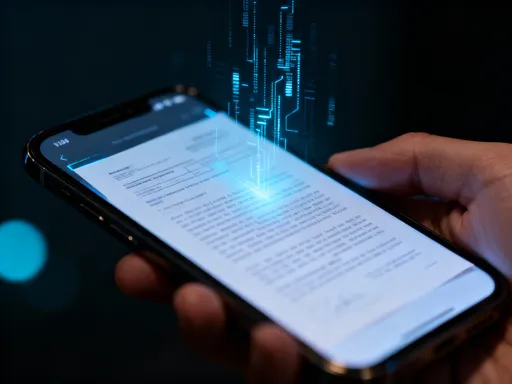
A few months ago, a friend mentioned she’d started using a return management app. I rolled my eyes at first—another app? My phone was already cluttered with tools I barely used. But she insisted it was different. “It’s not for shopping,” she said. “It’s for cleaning up after shopping.” Curious, I downloaded it. Within a week, I was hooked. Here’s how it works: every time I make an online purchase, I forward the confirmation email to a special address the app gives me, or I connect my email directly. The app automatically logs the order, tracks the delivery date, and—this is the magic part—monitors the return window.
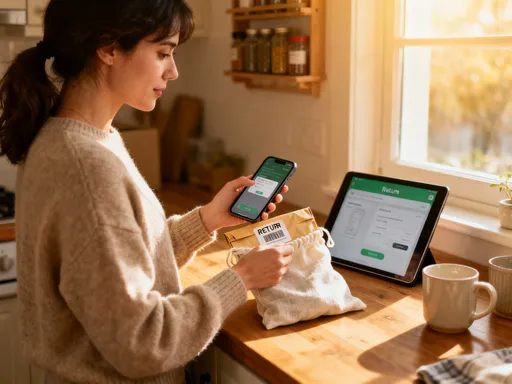
Suddenly, I didn’t have to remember when I bought something or when the return deadline was. The app sends me a friendly reminder a few days before the cutoff: “Your dress from Bloom & Vine is eligible for return until Friday. Want to send it back?” I tap yes, and with one click, it generates the return label, schedules a pickup if available, or shows me the nearest drop-off location. No more logging into five different retailer websites. No more digging through emails to find the right form. It’s all in one place. I can even see a dashboard of everything I’ve bought, what’s been returned, and what’s still pending.
What surprised me most was how much mental space this freed up. I used to carry the weight of “unfinished shopping tasks” in the back of my mind. Now, it’s handled. The app doesn’t just organize returns—it reduces anxiety. And the best part? It works across nearly every major retailer. Whether I’m returning a pair of jeans from a big-box store or a book from a small online shop, the process is consistent. That consistency is powerful. It turns a chaotic, unpredictable chore into something routine and manageable. I’m not exaggerating when I say this one tool changed my relationship with online shopping. I’m more confident clicking “buy now” because I know the safety net is there—and it’s easy to use.
Smart Packaging and Label Tools That Save Time
One of the biggest pain points in returning items used to be the physical part: printing the label, taping it on correctly, finding a box that fits. I lost count of how many times I had to run to the office supply store just to buy tape or a shipping envelope. Or worse—trying to reuse an old box only to have the label peel off in transit. Then I started noticing changes in how some retailers package their returns. A few brands now include a pre-activated return label right inside the box. No printing. No downloads. Just fold it, tape it, and drop it off. Some even use QR codes on the original packaging that, when scanned, instantly generate a return label through your phone’s camera.
But the real game-changer for me was discovering reusable return envelopes. I keep one in my purse and another in the car. They’re made of durable, water-resistant material with a built-in label that refreshes for each return. When I need to send something back, I scan the new code, pop the item inside, and drop it at a designated box. No waste, no hassle. I love that it’s also better for the planet—fewer paper labels, less plastic. These small innovations might sound minor, but they add up in a big way. What used to take 15 to 20 minutes—printing, taping, driving to the post office—now takes less than two. I can do it while my coffee brews or while I’m waiting for the kids to finish homework.
And because it’s so easy, I actually return things now. I don’t keep items “just because.” I don’t let them pile up in drawers or get shoved into the back of the closet. The lower the effort, the more likely I am to follow through. That means my home stays clutter-free, my wardrobe stays curated, and my mind stays clear. I’ve even started checking for return-friendly packaging when I shop. If a brand includes a QR code or a reusable envelope, I’m more likely to buy from them again. It’s not just about convenience—it’s about trust. When a company makes returns easy, it tells me they care about my experience, not just the sale.
Linking Returns to Bigger Life Organization Habits
Here’s something I didn’t expect: once returns became simple, I started applying the same mindset to other parts of my life. I call it the “quick action” rule. If a task takes less than five minutes, I do it right away. That idea came from how fast returns had become. I realized I was spending more time thinking about returning a scarf than actually doing it. That got me wondering—what else could I handle quickly if I just had the right tools?
I started small. I used the same return app to track subscription trials. It reminds me when a free month is ending, so I don’t get charged by accident. I set up automatic bill payments for things like utilities and internet, so I’m not scrambling each month. I even began using a digital closet organizer app to track what I own—no more buying duplicates because I forgot I already had black leggings. These aren’t huge changes, but together, they’ve made my days feel lighter. The mental clutter is gone. I’m not constantly trying to remember deadlines or track loose ends.
And here’s the deeper shift: I feel more in control. For years, I thought organization meant rigid systems, color-coded folders, and perfect routines. But now I see it differently. Real organization isn’t about perfection. It’s about reducing friction. It’s about setting up systems that work with your life, not against it. When one small thing gets easier—like returning a shirt—it creates space to tackle the next thing. It builds momentum. I’m not saying I’ve got it all figured out. But I am saying that small, smart tools can lead to big emotional wins. I’m calmer. I make better choices. And I have more time and energy for the things that really matter—like being present with my family.
Teaching Family Members to Return Smarter (Yes, Even Teens)
One of the most rewarding parts of this journey has been sharing it with my family. I used to be the “return person.” If anyone needed to send something back, they’d hand it to me with a receipt and say, “Can you deal with this?” It felt like just another item on my to-do list. But I realized that wasn’t helping anyone. My kids were growing up, and they needed to learn how to manage their own stuff. So I sat down with my daughter and showed her how to use the return app. I walked her through scanning a receipt, selecting the item, and scheduling a drop-off.
She picked it up in minutes. “This is way easier than I thought,” she said. A few weeks later, she handled her own return without asking me. Then she taught her younger brother. Now, returning something isn’t a “mom job”—it’s just part of how we manage our household. We’ve even turned it into a little family habit. Every few weeks, we do a quick “return check.” We go through closets, drawers, and backpacks, looking for things we no longer need. We make it fun—play music, offer a small reward like choosing the movie for family night. It’s not just about decluttering. It’s about teaching responsibility, independence, and smart consumer habits.
I’ve noticed something else too: my kids are more thoughtful about what they buy. Because they know returning is easy, they’re not afraid to try something new. But they’re also more mindful. They ask, “Do I really need this?” before clicking “buy.” That’s a conversation I never thought I’d have with a teenager. And now, instead of fighting over screen time or spending, we’re talking about values, choices, and taking care of what we own. That’s worth more than any tech tool. These skills will stay with them long after I’m done managing their returns for them.
The Emotional Relief of Letting Go—Without the Guilt
I didn’t realize how much emotional weight returns carried until they got easier. For years, I held onto things “just in case.” Just in case I lost weight and the dress would fit. Just in case the pattern came back in style. Just in case I needed a backup. But most of the time, that “just in case” never came. And the guilt built up. Guilt for wasting money. Guilt for not returning on time. Guilt for cluttering my home with things I didn’t love. I’d look at that pile of unreturned items and feel like I’d failed somehow.
Now, letting go feels different. It feels light. It feels like a win. When I return something, I don’t feel like I made a mistake. I feel like I’m making a smart choice. I tried it. It didn’t work. I’m moving on. That shift in mindset has changed how I shop. I’m more intentional. I read reviews more carefully. I check size charts. I think about how an item fits into my life before I buy. But even when I get it wrong, I don’t beat myself up. I know the fix is simple. I can return it with a few taps, and my money comes back. That safety net gives me freedom—to try, to choose, to change my mind.
And that freedom has brought peace. My home feels calmer. My closet feels manageable. My mind feels clearer. I’m not drowning in “what ifs” or “I should haves.” I’m living in the present, with things I actually use and love. That’s the real gift of these tech tools. It’s not just about saving time. It’s about reducing guilt, building confidence, and creating space—both physical and emotional—for what truly matters.
Building a Calmer, More Intentional Life—One Return at a Time
Looking back, I can see how one small change rippled through my entire life. What started as a simple frustration—returns being too hard—led me to discover tools that didn’t just solve that problem but improved how I manage my time, my home, and my family. I’m not just returning clothes or gadgets. I’m returning to a version of myself that feels more in control, more organized, and more at peace. And the best part? I didn’t have to overhaul my life. I didn’t need a productivity guru or a 30-day challenge. I just needed one smart, simple change—and the willingness to try it.
Technology doesn’t have to be complicated to be powerful. Sometimes, the most impactful tools are the quiet ones—the ones that work behind the scenes, making the little things easier so we can focus on the big things. Returning a sweater shouldn’t feel like a chore. Managing your home shouldn’t leave you exhausted. You deserve systems that support you, not stress you out. And the good news is, those tools are here. They’re accessible. They’re user-friendly. And they’re changing lives—one return at a time.
So the next time you’re holding a box, wondering if it’s worth the effort to return it, pause. Ask yourself: what if it *was* easy? What if you could do it in under two minutes, without leaving your kitchen? What if that small act of letting go could free up more than just closet space—what if it could free up your mind, your time, your energy? That’s not a fantasy. It’s possible. And it starts with a single tap, a single scan, a single decision to make life a little kinder to yourself. You’ve got enough on your plate. Let technology handle the rest.