From Passive Eating to Purposeful Living: How a Simple App Transformed My Daily Choices
Living well used to feel like a constant struggle—endless diet rules, guilt over snacks, and confusing nutrition labels. I just wanted to eat without overthinking it. Then I found a little tool that didn’t demand perfection but gently guided me, not just with calories, but with purpose. It didn’t shout goals at me; it listened. And slowly, my relationship with food changed—not because I tried harder, but because technology finally understood real life. That shift didn’t happen overnight, but looking back, I can see how small digital nudges helped me make better choices without feeling punished. This isn’t a story about weight loss or six-pack abs. It’s about how one thoughtful app helped me feel more like myself again.
The Everyday Struggle: When Food Feels Like a Full-Time Job
Let’s be honest—how many times have you stood in front of the fridge at 7 p.m., utterly drained, wondering what on earth you’re supposed to feed your family? I’ve been there more times than I can count. Between school drop-offs, work emails, and folding what feels like an endless mountain of laundry, cooking a balanced meal often slips to the bottom of the list. And when it does, I reach for what’s fast. A frozen dinner. A bowl of cereal. Or worse—those little snack packs I bought for the kids, but somehow end up in my hand after they’ve gone to bed.
It’s not that I don’t care about health. I do. But the effort of planning, shopping, prepping, and then cleaning up often feels like a second job. And the guilt? That’s the quiet companion no one talks about. You know the voice—'You should’ve made a salad.' 'Why did you eat that?' 'You’ll regret this tomorrow.' It’s exhausting. Over time, I realized it wasn’t lack of willpower holding me back. It was mental fatigue. I was making dozens of decisions every day—most of them for other people—and when it came to me? I had nothing left.
And I wasn’t alone. A friend confessed she started skipping lunch just to avoid the stress of deciding what to eat. Another admitted she’d eat the same thing three days in a row—just to save brainpower. We weren’t lazy. We were overwhelmed. The problem wasn’t food. It was the constant pressure to get it right in a world that gives us zero margin for error. What I didn’t know then was that help was coming—not from another diet book or a punishing workout plan, but from something I already carried in my pocket: my phone.
A Surprise in Plain Sight: Discovering the App That Felt Different
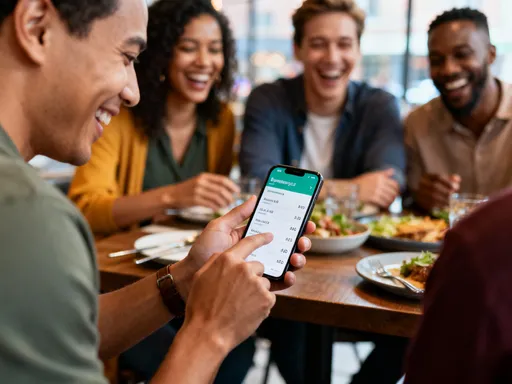
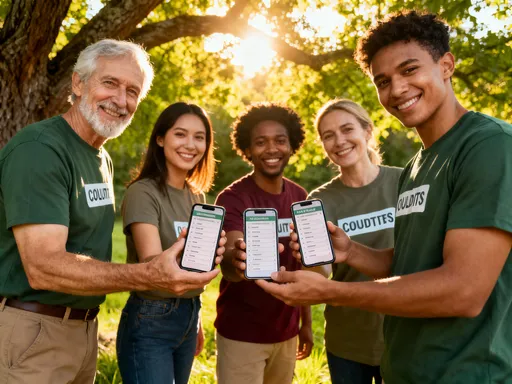
I found the app during a coffee break at our local community kitchen. I was volunteering on Saturdays, helping pack meals for families in need. One of the other volunteers, Sarah, mentioned she’d been feeling more energized lately. 'I’m not doing anything drastic,' she said. 'I just started using this app that connects how I eat with how I feel—and what I do each day.' I remember thinking, 'Oh great, another tracker.' But then she showed me her screen. No calorie counts in bold red. No 'You’ve gone over!' warnings. Instead, it asked, 'How are you feeling today?' with simple options: tired, okay, good, great. Then it gently suggested a few foods based on her mood and schedule.
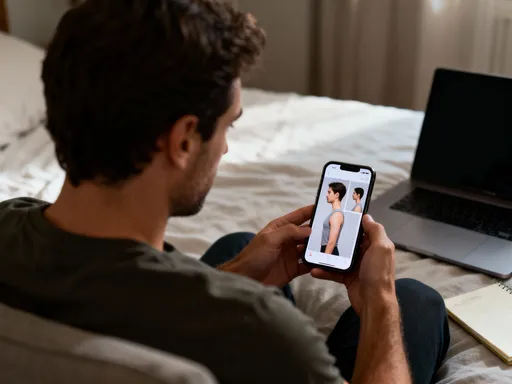
What struck me was how human it felt. Most apps treat you like a machine—input food, get judgment. This one treated me like a person. When I downloaded it that night, the setup was simple. It didn’t ask for my weight or my goal. Instead, it asked, 'What matters most to you?' I typed: 'More energy. Less guilt. To be present for my kids.' That was it. No numbers. No shaming. And when I logged my first meal—a rushed sandwich and an apple—it didn’t grade me. It just said, 'Thanks for fueling yourself. How did that meal make you feel?' I paused. No one had ever asked me that before. I realized I didn’t even know. But the question stayed with me. And slowly, I started paying attention.
The real difference wasn’t in what the app tracked—it was in how it listened. It didn’t care if I ate a cookie. It cared whether I felt satisfied. It didn’t obsess over protein grams. It noticed when I skipped meals after long volunteer shifts and reminded me, 'You gave a lot today. Your body needs nourishment too.' That small shift—from judgment to care—changed everything. For the first time, technology wasn’t telling me what to fix. It was helping me understand myself.
How Technology Learned to Care: The Quiet Intelligence Behind the Screen
You might be wondering, 'How can an app really understand me?' I asked myself the same thing. But the truth is, it’s not magic. It’s thoughtful design. The developers didn’t come from a tech startup in a glass tower. They were psychologists, nutritionists, and people who’d struggled with food themselves. They built the app on simple principles: meet people where they are, honor their emotions, and support real-life choices.
Here’s how it works. Instead of bombarding you with data, it learns your rhythm. If you usually volunteer on Tuesdays and Thursdays, it starts to notice. After you log your hours, it might say, 'You were on your feet for three hours today. How about a meal with protein and complex carbs to help you recover?' It’s not demanding. It’s offering. And because it connects your actions to your needs, the suggestions feel relevant, not robotic.
The app also uses gentle behavioral cues. For example, if it notices you often skip breakfast on busy mornings, it might send a reminder the night before: 'Tomorrow looks full. Want to prep something quick?' It doesn’t nag. It prepares. If you’ve been logging more 'tired' days, it might suggest a hydration boost or a magnesium-rich snack. It’s not trying to 'fix' you. It’s helping you tune in.
And here’s the part I love: it celebrates small wins. Not 'You burned 300 calories!' but 'You ate mindfully today. That takes awareness.' Or 'You chose a nourishing meal after giving your time to others. That’s balance.' These aren’t hollow compliments. They’re reflections of real effort. Over time, I started to see patterns. On days I volunteered, I craved warmer, heartier meals. On stressful days, I needed more comfort—but not just sugar. The app helped me differentiate between emotional hunger and physical need. That awareness didn’t come from charts. It came from being seen.
More Than Meals: Building a Healthier Self Through Service
One of the most unexpected changes was how my motivation shifted. At first, I used the app to eat better. But soon, eating better became a way to serve better. I started seeing my meals as fuel for what mattered—spending quality time with my kids, showing up for my community, being patient when the house was messy. Food wasn’t the goal anymore. It was part of a bigger purpose.
Take Saturday mornings. We run a breakfast program for families at the community center. I used to drag myself there, running on coffee and willpower. Now, I plan ahead. The night before, the app reminds me: 'Big day tomorrow. Try a balanced dinner tonight and pack a protein-rich breakfast.' So I’ll make a quinoa bowl with roasted veggies and chickpeas, and pack hard-boiled eggs and fruit. I still bring coffee—no shame—but now I’m not running on empty.
And here’s the thing: when I feel good, I give better. I’m more present. I listen more. I laugh more. The app doesn’t track that, but I feel it. It also helped me notice how helping others reduces my own stress. On days I volunteer, I snack less. I sleep better. I feel lighter. The app started showing me these patterns: 'On service days, your mood is 20% higher.' That wasn’t a sales pitch. It was data from my own life.
So my relationship with food changed. I wasn’t eating to shrink myself. I was eating to sustain myself. To show up. To care. And that shift—from restriction to support—made all the difference. I wasn’t chasing a number on a scale. I was building a life I didn’t need to escape from.
Family, Food, and Shared Values: A Ripple Effect at Home
You know how one light can change the whole room? That’s what happened in my house. I didn’t force anyone to change. I didn’t preach. But slowly, my kids noticed. My daughter asked why I was packing extra apples in her lunch. 'Because they give you steady energy,' I said. 'And because we have enough to share.' She thought about it, then said, 'Can I bring some to the food drive too?' My heart nearly burst.
The app has a family mode—nothing competitive, no leaderboards. Just a shared space where we can log meals, moods, and small acts of kindness. My son started marking when he helped his sister with homework. My husband began noting when he made the bed without being asked. We don’t earn points. We just see how small things add up.
And food? It became a conversation, not a conflict. Instead of, 'Eat your vegetables,' it’s, 'These carrots will help you run faster at soccer.' Or, 'Let’s make soup together for the neighbors.' We started cooking as a family—simple things, like stirring a pot or setting the table. The app even suggests recipes based on what we have and how we’re feeling. 'Low energy? Try a lentil stew—it’s warm, filling, and good for the soul.'
What surprised me most was how this tiny digital tool helped us reconnect. We talk more at the table. We laugh more. We’re not perfect—some nights it’s still frozen pizza—but now we eat it together, without guilt. The app didn’t fix my family. It gave us a language to care for each other, one meal at a time.
The Unplanned Benefit: Feeling Lighter, Not Just Physically
I didn’t set out to feel happier. I just wanted to stop feeling guilty about food. But over time, something shifted. The constant mental noise—the shoulds, the not-enoughs, the what-ifs—started to quiet down. I wasn’t perfect. I still ate cookies. I still had tired days. But I didn’t beat myself up. The app never judged, so I learned not to either.
And with that self-compassion came freedom. I started saying yes to things I used to avoid—joining a walkathon, leading a craft session at the shelter, even trying yoga. Not because I wanted to 'earn' my meals, but because I wanted to live more fully. The app didn’t push me. It made space for me to grow.
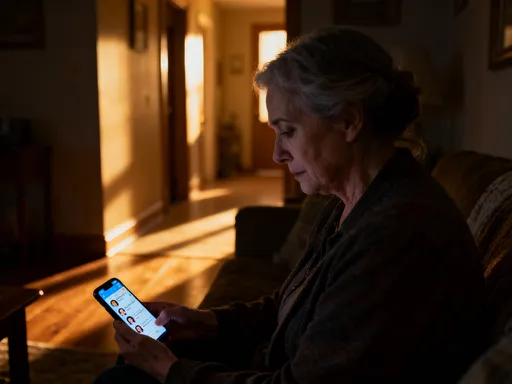
I also noticed I was more resilient. When life got hard—when my mom was sick, when work got busy—I didn’t spiral into junk food. I’d open the app and say, 'I’m stressed.' And it would respond, 'That’s okay. How can we support you today?' Maybe with a calming tea suggestion. Or a reminder to rest. It wasn’t a therapist. But it was a companion. And in those moments, that mattered.
The biggest surprise? I didn’t lose a dramatic amount of weight. But I lost something heavier—the weight of shame, of perfectionism, of feeling like I was always failing. I felt lighter in my mind, clearer in my choices, more at peace with myself. And that, I’ve learned, is the real foundation of health.
A New Normal: Living with Lightness, Purpose, and Real Support
Today, my kitchen is still messy. My schedule is still full. But I move through life differently. I make choices—not because I have to, but because they align with who I want to be. The app didn’t give me willpower. It gave me understanding. It didn’t replace my values. It helped me live them.
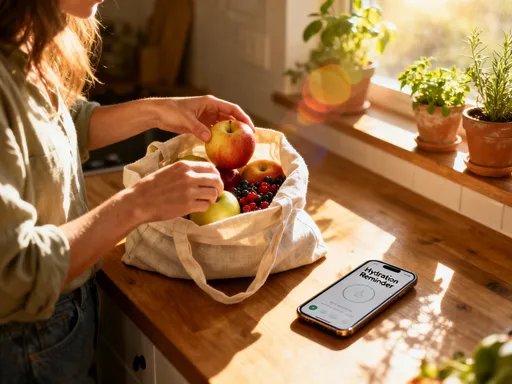
Technology doesn’t have to be cold or demanding. It can be kind. It can listen. It can remind us to drink water after a long day, to eat when we’re hungry, to rest when we’re tired. It can help us see that caring for ourselves isn’t selfish—it’s how we stay strong enough to care for others.
If you’re feeling overwhelmed by food, by life, by the constant pressure to do more and be more, I want you to know there’s another way. You don’t need another strict plan. You need support that feels like a friend. Something that sees you, honors your effort, and walks with you—no judgment, no shame.
This little app didn’t transform my life with rules. It transformed it with care. And in a world that often feels too loud, too fast, too much, that quiet companionship made all the difference. Maybe your tool won’t be an app. Maybe it’s a journal, a walk with a friend, or a weekly volunteer shift. The point isn’t the tool. It’s the intention. It’s choosing, again and again, to live with purpose, with kindness, and with the quiet confidence that you are enough—exactly as you are.