You Won’t Believe What Phoenix Hides in Plain Sight
Phoenix isn’t just sunbaked deserts and cacti—you gotta look closer. I went in expecting heat and hiking, but left obsessed with something totally unexpected: the city’s one-of-a-kind specialty products. From handcrafted saguaro honey to locally woven textiles, these aren’t souvenirs—they’re stories. What makes them special? They’re born from desert resilience, indigenous wisdom, and bold creativity. Let me take you beyond the postcard version of Phoenix.
The Desert That Creates
The Sonoran Desert, often mistaken for a barren wasteland, is in fact one of the most biologically rich deserts on Earth. Phoenix, nestled within this vast ecosystem, thrives not despite the heat but because of it. The extreme climate shapes a unique rhythm of life, one that has inspired generations of artisans to turn natural scarcity into creative abundance. Unlike temperate regions where raw materials are plentiful, the desert demands ingenuity. What grows here does so with purpose—slowly, resiliently, and with deep connection to the land. It is this ethos that fuels Phoenix’s specialty craftsmanship. The desert does not give freely; it teaches patience, respect, and resourcefulness.
Among the most remarkable natural gifts are the saguaro cactus fruit, mesquite pods, and native clays. Each plays a vital role in local production. Saguaro fruit, harvested in late June during the brief summer rains, is collected by hand using long poles made from saguaro ribs. This traditional method, practiced by Tohono O’odham communities for centuries, ensures the cactus remains unharmed. The fruit is then boiled into syrup, fermented into wine, or dried for storage. Its deep red hue and subtly sweet-tart flavor carry the essence of the desert summer. Similarly, mesquite pods, which fall from trees in early summer, are ground into a nutrient-rich flour used in breads, desserts, and spice blends. High in protein and low on the glycemic index, mesquite flour is not only sustainable but also a healthful alternative to wheat flour.
Local potters draw from another desert treasure: clay. Found in pockets across the valley, desert clay is rich in iron and minerals, giving finished ceramics a warm, earthy tone. Unlike mass-produced ceramics, these hand-formed pieces retain the fingerprints of their makers and the textures of the land. Artisans often mix in volcanic ash or crushed granite to create unique finishes that reflect the geology of the region. The process is slow and deliberate—digging, drying, sifting, wedging, shaping, and firing under the open sky. There is no rush, only rhythm. This deep respect for natural materials ensures sustainability, with most harvests conducted in small batches and guided by seasonal cycles.
What emerges from this relationship between land and craft is not merely product but philosophy. The desert does not reward excess. It rewards awareness. Every step in the creation of these specialty goods—from harvest to handcraft—is rooted in a centuries-old understanding of balance. This is not trend-driven innovation; it is tradition reimagined. In Phoenix, the desert is not a backdrop. It is the collaborator.
Taste of the Territory: Phoenix’s Signature Flavors
If the desert has a flavor, it is both bold and subtle—a harmony of earth, sun, and resilience. Phoenix’s culinary identity is defined not by imported ingredients but by what grows naturally in its harsh yet generous landscape. Local producers have mastered the art of transforming native plants into gourmet experiences, creating a food culture that is as authentic as it is delicious. At farmers' markets across the city, from the Phoenix Public Market to the Scottsdale Farmers Market, visitors encounter a rainbow of edible specialties: prickly pear syrups shimmering like rubies, tepary bean crisps seasoned with smoked chili, and small-batch spice blends that carry the scent of sunbaked soil.
Prickly pear, or Opuntia, is one of the most versatile desert plants. Its bright magenta fruit is carefully de-spined and juiced to make syrups, jams, and even craft sodas. The flavor is a rare balance of sweet berry and citrus tang, with a depth that lingers on the palate. One family-run operation in Laveen has been harvesting prickly pears for three generations, using the same copper kettles to simmer the juice into thick, jewel-toned syrup. They sell it at weekend markets alongside prickly pear sorbet and cactus pad salads, educating customers about the plant’s nutritional benefits—high in antioxidants and fiber. For many, tasting prickly pear is not just a culinary experience but a connection to the land’s generosity.
Tepary beans, a staple of indigenous diets for over 5,000 years, are another hidden gem. These small, speckled legumes thrive in low water conditions and are exceptionally high in protein and fiber. Once overlooked by mainstream agriculture, they are now celebrated by local chefs and health-conscious eaters alike. A small co-op in South Phoenix grows heirloom tepary beans using dry farming techniques, then slow-roasts them into crunchy snacks flavored with chiltepin pepper or smoked paprika. The crunch is satisfying, the flavor earthy and complex. These beans are more than food—they are a testament to agricultural resilience.
Then there are the spice blends, where desert terroir meets culinary artistry. Local blenders combine native chilies like chiltepin and pequin with roasted mesquite, dried oregano, and even crushed creosote leaf to create rubs and seasonings that capture the spirit of the Sonoran. One woman-owned spice company in Central Phoenix sources ingredients directly from tribal farms and donates a portion of profits to water conservation efforts. Their flagship blend, "Desert Fire," is a balanced mix of heat, smoke, and herbal brightness, perfect for grilled vegetables or roasted meats. When you cook with these spices, you’re not just seasoning food—you’re engaging with a living culture.
From Clay to Culture: The Pottery Scene
Phoenix’s pottery tradition is a quiet revolution—one shaped by fire, earth, and memory. While many associate Southwestern ceramics with ancient Puebloan designs, the city’s contemporary potters are breathing new life into the craft, blending ancestral techniques with modern aesthetics. In studios tucked into converted warehouses along Roosevelt Row, artists shape desert clay into functional art that speaks of place. Each piece, whether a hand-thrown mug or a sculptural vessel, carries the texture of the land—rough like sandstone, warm like sunlit adobe, deep as canyon shadow.
What sets Phoenix pottery apart is its material integrity. Many artists source their clay locally, often from dry riverbeds or arid foothills where mineral-rich deposits have settled over millennia. Some mix in volcanic ash from nearby cinder cones, which creates a natural speckling effect when fired. Others use crushed saguaro thorns or crushed turquoise to add visual interest. The glazes are equally distinctive, derived from desert plants and minerals. Iron oxide from red rocks produces deep rust tones, while copper carbonate yields soft greens reminiscent of ocotillo blooms. These are not factory formulas; they are alchemical recipes passed down or self-developed through years of experimentation.
One such artist, a fourth-generation potter of Hopi descent, works in a sunlit studio near the Arizona State Capitol. She uses a traditional coiling method, building each vessel by hand without a wheel. Her pieces are inspired by ancestral pottery found in the region, yet she adapts the forms for modern use—a water jar becomes a vase, a storage olla becomes a candle holder. She fires her work in a backyard kiln using wood from fallen mesquite trees, a process that can take up to 12 hours. The results are unpredictable, organic, alive. "The fire decides," she says. "I just guide it." Her work is sold at cultural markets and private galleries, but she insists on keeping prices accessible to honor the communal roots of the craft.
Pottery in Phoenix is not just about beauty. It is about continuity. In every curve and crackle, there is a story of survival, of people who have lived with the land rather than against it. When you hold one of these pieces, you feel the weight of history and the warmth of human touch. It is not decor. It is dialogue.
Woven Stories: Textiles with Roots
In a world of fast fashion and synthetic fabrics, the textile traditions of Phoenix stand as a quiet act of resistance. Hand weaving, practiced for centuries by Navajo and O’odham weavers, remains a living art form in the city’s artisan community. In small loom rooms and cultural centers, women and men sit at wooden frames, threading wool and cotton into intricate patterns that speak of identity, history, and place. Each blanket, shawl, or garment is the product of hundreds of hours of focused labor, a meditation in motion. The process is slow, intentional, and deeply meaningful.
What makes these textiles truly special is their connection to the land. Natural dyes are derived from plants that grow in the desert: indigo for deep blues, rabbitbrush for golden yellows, cochineal insects (harvested from prickly pear cacti) for vibrant reds. Some weavers use juniper ash or iron-rich mud to modify colors, creating subtle variations that no chemical dye can replicate. The wool itself often comes from Churro sheep, a hardy breed introduced by Spanish missionaries and now raised on tribal lands. Its long fibers are ideal for weaving, durable enough to withstand daily use yet soft against the skin.
Patterns are not merely decorative. They carry symbolic meaning. A zigzag may represent lightning, a diamond motif the four sacred directions, a stepped design a mountain or rain cloud. Some weavers incorporate personal symbols—a birth year, a family name, a prayer. These textiles are not made for Instagram. They are made to be used, to be passed down, to tell stories across generations. One elder weaver in Guadalupe shared that she weaves her dreams into the fabric, believing that the act of creation transfers energy and intention.
Today, these traditions are being preserved and reimagined. Younger artisans are learning from elders, attending workshops at the Heard Museum and cultural centers. Some are blending traditional techniques with modern designs—creating minimalist scarves or contemporary wall hangings that appeal to urban buyers without sacrificing authenticity. Small cooperatives now connect weavers directly with customers, ensuring fair pay and cultural respect. When you purchase one of these textiles, you are not just buying fabric. You are supporting a legacy.
Beekeeping in the Heat: Desert Honey with a Kick
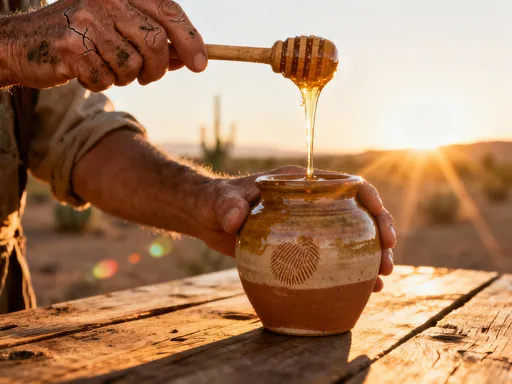
In the heart of Phoenix, where temperatures soar above 110°F, an unexpected phenomenon thrives: urban beekeeping. Against all odds, honeybees flourish in the city’s arid climate, feeding on the nectar of desert wildflowers, palo verde blossoms, and the elusive saguaro cactus flower. This has given rise to a niche but passionate community of beekeepers who produce some of the most distinctive honey in the country. Saguaro blossom honey, in particular, is a rare delicacy—light in color, floral in aroma, with a hint of earthiness that lingers on the tongue. It is not mass-produced. It is seasonal, small-batch, and deeply tied to the rhythms of the desert.
Beekeeping in Phoenix is not for the faint of heart. Hives must be shaded during peak sun, watered daily, and monitored for pests like the dreaded small hive beetle. Yet the rewards are extraordinary. Because desert flora blooms in short, intense bursts, the honey produced here has a concentrated flavor profile unlike anything from temperate zones. A single hive near the South Mountains might yield honey infused with creosote, mesquite, and brittlebush, creating a complex, herbal taste that evolves with each season. Some beekeepers even move their hives to different parts of the valley to capture specific floral notes, much like winemakers chasing terroir.
One family-run apiary in the Arcadia neighborhood has gained a loyal following for its raw, unfiltered honey. They maintain fewer than 20 hives, ensuring each colony remains healthy and stress-free. Their saguaro honey, harvested once a year in early June, sells out within days. They also offer educational tours, teaching visitors about the importance of pollinators and the challenges of desert beekeeping. Children love watching bees return to the hive with bright yellow pollen sacks, a living lesson in ecosystem interdependence.
For many, desert honey is more than a sweetener. It is a symbol of adaptation. Just as the saguaro blooms for only one night each year, this honey is fleeting, precious, and deeply connected to place. When you drizzle it over yogurt or toast, you taste the resilience of life in the Sonoran Desert.
Craft Spirits from the Sonoran
Phoenix’s craft distillery scene is a celebration of desert botany. Far from the traditional whiskey and vodka of colder climates, local distillers are turning native plants into spirits with a sense of place. Mesquite-smoked mezcal, barrel-aged sotol, and gin infused with creosote, ocotillo, or yucca flower are not just novel flavors—they are liquid expressions of the Sonoran landscape. These are not gimmicks. They are carefully crafted, small-batch spirits made by distillers who study desert ecology as closely as they study fermentation.
One distillery in downtown Phoenix uses mesquite beans, roasted over open flames, to smoke their agave before distillation. The result is a mezcal with a deep, nutty richness that sets it apart from Mexican counterparts. Another blends sotol—made from the desert spoon plant—with aged corn spirit, creating a smooth, herbal liquor that honors indigenous fermentation practices. A third distiller infuses neutral grain spirit with fresh creosote leaves, capturing the sharp, medicinal aroma that fills the air after a summer rain. These spirits are bold, sometimes challenging, always memorable.
What unites these distillers is a commitment to authenticity. Many source ingredients from tribal farms or wild harvests conducted with ecological care. Some collaborate with ethnobotanists to ensure sustainable practices. Tastings are educational as much as recreational—guests learn about the plants, their traditional uses, and their role in desert survival. A flight of spirits becomes a journey through the ecosystem.
These craft distilleries are also redefining what a night out can be. Instead of loud bars and generic cocktails, they offer intimate spaces where conversation flows as easily as the drinks. Bartenders speak knowledgeably about terroir, and guests leave with a deeper appreciation for the desert’s complexity. In every sip, there is a story of sun, soil, and human ingenuity.
Where to Find These Treasures
Discovering Phoenix’s specialty products is a journey in itself, one that begins at the city’s vibrant markets and cultural hubs. The Phoenix Public Market, open every Saturday in the historic Mercado District, is a must-visit. Here, under shaded canopies, local artisans sell everything from saguaro honey to handwoven baskets. Vendors are eager to share their stories, and many offer samples. Early arrival is recommended—popular items like tepary bean crisps or desert spice blends often sell out by noon.
The Heard Museum, while renowned for its Native American art collection, also hosts seasonal artisan markets featuring weavers, potters, and food producers. These events provide a rare opportunity to meet makers in person and learn about cultural traditions. Similarly, the Scottsdale Artists’ School and the Mesa Arts Center regularly host craft fairs that highlight regional talent.
For those seeking year-round access, several specialty shops in Central Phoenix and Arcadia carry curated selections. A small boutique on Central Avenue stocks locally made candles infused with creosote and jojoba oil, while a family-run store in Arcadia specializes in desert pantry goods—mesquite flour, prickly pear syrup, and small-batch hot sauces. These shops often partner directly with producers, ensuring authenticity and fair compensation.
When shopping, ask questions. Who made this? Where did the materials come from? How is it produced? These conversations matter. They ensure you’re not buying a mass-produced imitation but a genuine piece of Phoenix’s soul. And remember: the best souvenirs are not the cheapest or flashiest, but those with a story worth sharing.
Phoenix’s specialty products are more than items to take home—they’re proof of a culture shaped by sun, sand, and centuries of resilience. By seeking them out, travelers don’t just shop; they connect. In every jar, weave, and bottle is a piece of the desert’s soul. Let your journey go deeper than views—take home a story.