You Won’t Believe What I Found at Gyeongju’s Festival Markets
If you think shopping in South Korea is just about Seoul’s trendy boutiques, you’re missing half the story. I recently wandered through Gyeongju during its vibrant festival season and discovered a whole new side of Korean culture—where ancient temples meet bustling market stalls. From handcrafted hanji paper goods to sizzling street food served with a smile, every corner offered something real, local, and unforgettable. This isn’t just shopping—it’s storytelling through souvenirs. In a country where tradition and modernity coexist with grace, Gyeongju stands apart as a living museum of Silla heritage, where festivals breathe life into centuries-old customs. Here, markets are not commercial afterthoughts but cultural heartbeats, pulsing with color, scent, and sound. What I found was not merely a place to spend money, but a way to connect—with artisans, with history, and with the quiet pride of a community preserving its identity one handmade object at a time.
The Festival Vibe: Where Tradition Meets Street Energy
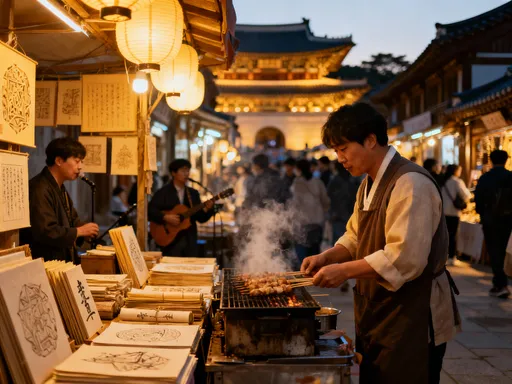
Gyeongju transforms in festival season. The city, already steeped in over a thousand years of history as the capital of the ancient Silla Kingdom, becomes a stage for living culture. Lanterns glow along tree-lined avenues, their soft light reflecting off cobblestone paths near historic sites like Donggung Palace and Wolji Pond. The air hums with the resonance of traditional music—janggu drums beating in rhythm, gayageum strings plucked in melodic patterns—drawing crowds toward open-air performance stages. These aren’t staged shows for tourists; they are community celebrations, often organized by local cultural associations, schools, and temple groups, where participation is encouraged and authenticity is preserved.
As dusk falls, the city takes on a magical quality. Temples such as Bulguksa, a UNESCO World Heritage Site, are illuminated in warm golden hues, casting long shadows across stone pagodas and moss-covered statues. Around them, festival markets spring up like seasonal blossoms, filling alleyways and temple courtyards with rows of wooden stalls. Visitors move slowly, not out of congestion, but out of reverence—pausing to watch a paper lantern being lit, listening to a folk tale recited by an elder, or sipping barley tea offered freely by a vendor. This atmosphere is not manufactured for spectacle; it emerges naturally from the rhythm of the season and the deep-rooted connection locals have with their heritage.
Timing a visit with one of Gyeongju’s major festivals—such as the Gyeongju Cherry Blossom Festival in spring or the Gyeongju Hwangnam Bread Festival in autumn—can dramatically enhance the experience. These events draw both domestic and international visitors, yet they retain an intimate, neighborhood feel. Cultural performances serve as both entertainment and education, often depicting scenes from Silla history or traditional farming rituals. These gatherings naturally attract artisans and food vendors, who set up near performance zones, creating organic hubs of activity. As a result, shopping becomes part of a larger cultural immersion, where every purchase feels connected to the moment, the place, and the people.
Unlike the high-speed energy of Seoul’s Myeongdong or Busan’s Gwangjang Market, Gyeongju’s festival markets operate at a different tempo—one that invites curiosity and contemplation. There’s no pressure to rush, no loud hawking of wares. Instead, vendors greet passersby with quiet smiles, often engaging in conversation about the origins of their products. This gentle pace allows travelers to truly absorb the environment, to notice the details: the way sunlight filters through a handmade fan, the scent of ink on freshly printed calligraphy, or the careful stitching on a traditional textile. It’s this blend of tradition and street energy that makes Gyeongju’s festivals not just memorable, but meaningful.
Market Hopping: From Craft Stalls to Hidden Pop-Ups
Navigating Gyeongju’s festival markets is less about ticking off a checklist and more about wandering with intention. Each market cluster has its own character, shaped by location, history, and local craftsmanship. One of the most authentic experiences can be found near Bulguksa Temple, where temporary stalls line the approach to the sacred site. Here, the emphasis is on reverence and quality. Artisans display items that reflect Buddhist aesthetics—minimalist wooden boxes, hand-pressed incense, and delicate stone carvings of lotus blossoms. These are not mass-produced souvenirs but pieces made with care, often by monks or temple-affiliated craftspeople.
Further into the city center, along Cheongyeongmun Street and the alleys branching off Hwangnim-ro, the market vibe shifts. This area buzzes with youthful creativity, where young designers reinterpret traditional motifs in modern forms. You’ll find hanbok-inspired accessories, such as silk hairpins and embroidered pouches, alongside contemporary ceramics glazed in earthy tones reminiscent of Silla-era pottery. Pop-up stalls appear unexpectedly—sometimes in repurposed hanok houses or beneath temporary fabric canopies—offering limited-edition goods that change with the season. These hidden markets feel like discoveries, rewarding those who explore beyond the main thoroughfares.
What sets these markets apart is the distinction between tourist trinkets and genuine craftsmanship. While you can certainly buy keychains and fridge magnets, the most rewarding finds lie in the stalls where artisans sit behind their work, often demonstrating their process. A woman may be folding hanji paper into intricate lanterns, explaining how the mulberry fiber gives it strength and translucency. A potter might show how onggi clay is shaped by hand, not wheel-thrown, using techniques passed down for generations. These interactions transform shopping from transaction to dialogue, deepening appreciation for the skill involved.
Practical considerations matter, too. Most small vendors operate on a cash-only basis, so carrying Korean won is essential. Credit cards are accepted at larger festival booths or official gift shops, but the heart of the market economy runs on bills and coins. Bargaining is generally not expected—prices are fair and reflective of the labor involved—and attempting to negotiate can be seen as disrespectful. To avoid crowds, aim to arrive in the late morning or early evening. Midday brings tour groups, while the hours just before sunset offer softer light and a more relaxed pace. Weekends are livelier, but weekdays provide quieter opportunities to engage with vendors and observe their craft up close.
What to Buy: Meaningful Keepsakes That Tell a Story
In Gyeongju, the best souvenirs are not merely decorative—they carry history, intention, and cultural resonance. One standout category is Silla-inspired jewelry. These pieces often feature geometric patterns derived from ancient gold crowns unearthed from royal tombs. Crafted in brass or bronze with subtle gold plating, they are lightweight yet substantial, designed to echo the elegance of the past without mimicking it exactly. Wearing such a pendant or earrings becomes a quiet tribute to Korea’s artistic legacy, a conversation starter that connects the wearer to a deeper narrative.
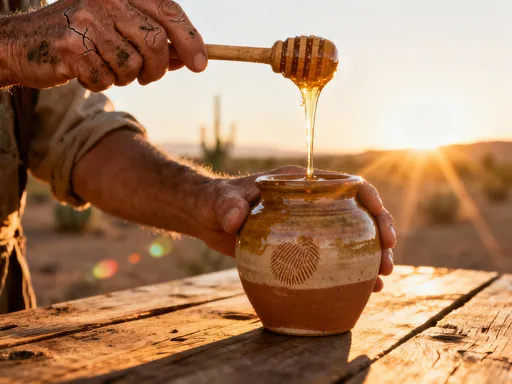
Equally significant are onggi pottery items—fermentation jars, tea cups, and storage vessels made from breathable clay. Unlike mass-produced ceramics, authentic onggi is fired at low temperatures, allowing it to regulate moisture and air flow, making it ideal for preserving kimchi, soy sauce, and other traditional fermented foods. The weight of a real onggi pot, its rough texture, and earthy scent distinguish it from imitations. Many vendors sell smaller versions as decorative pieces or herb keepers, perfect for bringing a touch of Korean culinary tradition into the home kitchen.
Another uniquely Gyeongju product is jang—the collective term for fermented soybean condiments like doenjang (soybean paste) and ganjang (soy sauce). At festival markets, families often sell their own small-batch versions, aged in traditional onggi jars under the sun. These are not supermarket substitutes but complex, umami-rich seasonings that reflect regional terroir and personal technique. Packaged in cloth-wrapped jars with handwritten labels, they make thoughtful gifts for food-loving friends. Even if you don’t cook with them, their presence on a shelf serves as a sensory reminder of the festival’s warmth and generosity.
Hand-painted fans and hanji stationery also stand out as culturally rich keepsakes. Artists use natural pigments to depict scenes from Silla history, local landscapes, or seasonal motifs like cherry blossoms and cranes. The paper itself—made from mulberry bark—is durable, slightly textured, and capable of absorbing ink without bleeding. A notebook bound in hanji isn’t just functional; it invites slower, more mindful writing. Similarly, a painted fan isn’t merely decorative; it can be used, folded and unfolded with care, becoming a companion on future travels. These objects resist the disposable nature of modern souvenirs, instead growing more valuable with time and use.
Beyond the Booth: Interactive Shopping Experiences
Shopping in Gyeongju’s festival markets is rarely a passive act. Many vendors go beyond display and sales, offering hands-on experiences that deepen the connection between buyer and craft. One of the most popular is the hanji notebook-making workshop. For a modest fee, participants select sheets of handmade paper, choose a cover design, and bind the pages using traditional stitching methods. Guided by an artisan, you learn how hanji’s strength comes from its long fibers and how each sheet varies slightly in texture and thickness. The result is a one-of-a-kind notebook—personal, functional, and imbued with the memory of creation.
Another memorable activity is designing a traditional badge or patch using embroidered silk thread. Inspired by Silla-era insignia, these small circular emblems can be personalized with initials, symbols, or seasonal motifs. The process involves selecting thread colors, tracing a template, and stitching under guidance. It’s not about perfection but participation—about feeling the resistance of the needle, the softness of the fabric, and the pride of making something tangible. Many visitors attach these badges to bags or jackets, wearing them as wearable mementos of their time in Gyeongju.
These interactive experiences do more than entertain; they transform shopping into storytelling. When you gift a hanji notebook you made yourself, you’re not just giving paper and thread—you’re sharing a moment, a skill learned, a conversation had. The recipient doesn’t just receive an object; they inherit a piece of your journey. Even if the stitching is uneven or the design simple, the imperfections speak to authenticity and effort. Such gifts are remembered long after the festival ends, not for their monetary value but for the human connection they represent.
Moreover, these workshops support local artisans directly. Fees go toward materials and labor, helping sustain traditional crafts in an era of industrial production. By participating, travelers contribute to cultural preservation in a tangible way. Children especially benefit from these activities, gaining appreciation for handmade objects through touch and creation. A parent might watch as their child proudly holds up a clumsily stitched badge, unaware that in that moment, a centuries-old tradition has been quietly passed on.
Eat First, Shop Later: The Food-Shopping Connection
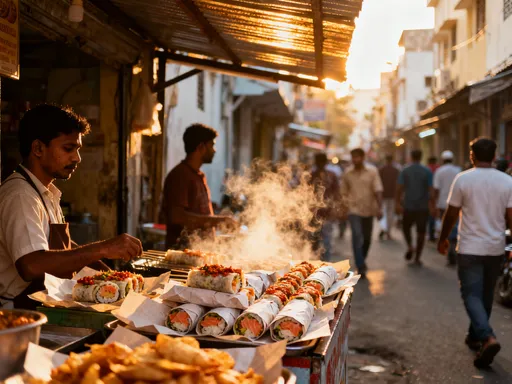
In Gyeongju, food is not a break from shopping—it’s an integral part of it. The rhythm of the market day follows the cadence of hunger and satisfaction. Morning visitors might start with a warm cup of sujeonggwa, a cinnamon-based persimmon punch served in a paper cup, before browsing early stalls. By midday, the scent of sizzling oil draws crowds to vendors frying ssukjeon—mugwort pancakes crisp on the outside, tender within, their green hue a sign of fresh herbs. These aren’t mere snacks; they are regional specialties, tied to the land and seasons, often made from ingredients foraged in nearby hills.
Perhaps the most iconic food experience is the Gyeongju bread—a small, round pastry filled with sweet red bean paste and baked until golden. Originally created in the 1930s at a now-famous bakery near Gyeongju Station, this treat has become a symbol of the city. During festivals, multiple vendors offer their own versions, some adding modern twists like chestnut or honey. Eating one while walking through the market creates a sensory loop: the warmth of the pastry, the sweetness on the tongue, the sound of laughter nearby—all enhancing the pleasure of discovery. It’s common to see people holding a Gyeongju bread in one hand and a shopping bag in the other, fully immersed in the moment.
Many food vendors double as informal gathering spots. A stall serving bibimbap in a stone bowl might have a few folding stools nearby, where customers sit and eat, striking up conversations with neighbors. These shared meals open doors to local interaction. A vendor might offer a sample of homemade kimchi, explaining how their family recipe differs from others. Another might share a story about how they learned to make tteok (rice cakes) from their grandmother. These moments of generosity and connection enrich the shopping experience, turning it into a two-way exchange rather than a one-sided transaction.
There’s also a practical benefit: eating well fuels exploration. The energy from a hearty bowl of kalguksu (hand-cut noodle soup) or a plate of grilled mackerel allows visitors to walk farther, look closer, and stay longer. Food becomes a pacing mechanism, a way to pause and reset between market sections. And because many festival foods are served in biodegradable packaging, there’s a low-waste, eco-conscious rhythm to the day. You eat, you enjoy, you move on—lighter, satisfied, and ready to discover what’s around the next corner.
Smart Shopping: Timing, Transport, and Budget Tips
To make the most of Gyeongju’s festival markets, a little planning goes a long way. The best days to visit are weekdays, particularly Tuesdays through Thursdays, when tour groups are fewer and the pace is more relaxed. Arriving in the late morning—around 10:30 a.m.—allows time to explore before the midday rush. If you prefer a more atmospheric experience, return in the early evening when lanterns are lit and the temperature cools. Sundays and holidays attract larger crowds, which can be lively but overwhelming for those seeking quieter interactions.
Transportation within the city is convenient and affordable. Local buses connect major sites, including Bulguksa Temple, Gyeongju Station, and the historic downtown area. Many visitors use the city’s bike-sharing system, pedaling along dedicated paths that link temples, parks, and market zones. If you’re carrying purchases, opt for a reusable market bag—many vendors sell or give away cloth totes featuring traditional patterns. These are sturdier than plastic and double as souvenirs. For larger items like pottery or onggi jars, consider using lockers available at Gyeongju Station or asking your hotel concierge to hold packages until check-out.
Budgeting wisely ensures a satisfying experience without overspending. While high-quality crafts reflect their value, prices are generally reasonable. A hand-painted fan might cost between 15,000 and 30,000 won, while a small onggi cup could be 20,000 won. Workshops typically range from 10,000 to 25,000 won per person. Setting a daily spending limit helps maintain focus on meaningful purchases rather than impulse buys. It’s also wise to carry small bills—5,000 and 10,000 won notes—for easier transactions at cash-only stalls.
Common oversights include forgetting to check currency conversion rates or underestimating cash needs. While ATMs are available at convenience stores and banks, lines can form during peak festival hours. Exchanging money at Incheon Airport or your home country before departure often yields better rates. Additionally, downloading a Korean phrase app or carrying a small translation card can ease communication, especially when asking about product origins or materials. Simple phrases like “This is handmade?” or “How is it made?” often lead to richer conversations and more informed choices.
Why Gyeongju Stands Out: The Soul of Slow Shopping
In a world of fast fashion and instant gratification, Gyeongju’s festival markets offer a refreshing alternative: the soul of slow shopping. Here, time is not an enemy but an ally. There’s no pressure to buy quickly or move on. Instead, the pace encourages mindfulness—inviting travelers to look closely, ask questions, and consider the story behind each object. This is consumption with consciousness, where value is measured not in quantity but in quality, not in price but in meaning.
Compared to the neon-lit frenzy of Seoul’s shopping districts, where trends change by the week, Gyeongju’s markets feel timeless. The items sold are not dictated by seasonal fashion cycles but by enduring cultural practices. A piece of hanji paper, a hand-thrown bowl, a fermented soybean paste—these are not fleeting trends but enduring traditions. Buying one is not an act of consumption but of connection—to history, to craft, to a way of life that values patience and precision.
This mindful approach extends beyond souvenirs. It shapes the entire travel experience, encouraging visitors to slow down, engage deeply, and carry home more than just objects. What you bring back is not merely a collection of things but a collection of moments: the sound of a potter’s wheel, the taste of a warm Gyeongju bread, the feel of handmade paper between your fingers. These sensory imprints last longer than any material possession.
Gyeongju reminds us that shopping can be more than a task—it can be a form of storytelling, a way to honor the past while supporting the present. Every purchase made with intention becomes a small act of preservation, helping sustain traditions that might otherwise fade. For the thoughtful traveler, especially those who value authenticity and cultural depth, Gyeongju’s festival markets are not just a destination but a revelation. They invite you not to take home everything, but to choose one meaningful thing—and let it carry the weight of a thousand years.