Where Shopping Meets History: Punta Arenas’ Architectural Secrets Uncovered
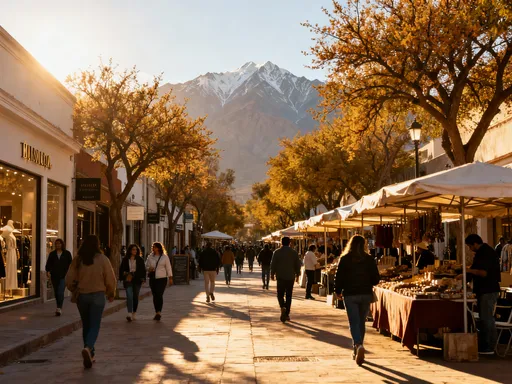
Walking through Punta Arenas, I didn’t expect to fall in love with storefronts. But here, every shop hides behind ornate wooden facades and colorful Victorian roofs that whisper stories of Patagonia’s golden age. This isn’t just shopping—it’s a stroll through living history. The city’s unique architecture transforms ordinary errands into an urban adventure, blending European elegance with southern charm. You’re not just buying souvenirs—you’re soaking in culture, one beautifully crafted building at a time. Each step down the cobbled sidewalks reveals a new detail: a carved cornice, a weathered doorframe, a rooftop finial catching the afternoon light. This is a city where the past isn’t preserved behind glass but lives in the rhythm of daily life, where commerce and heritage walk hand in hand through the crisp Patagonian air.
The Unexpected Beauty of Urban Patagonia
Punta Arenas is often seen as a transit point—a brief stop before heading into the vast wilderness of Torres del Paine or sailing toward Cape Horn. Yet those who linger discover a city of surprising sophistication, where wide avenues and well-proportioned plazas reflect its 19th-century ambitions. Founded in 1848 as a penal colony and later transformed by the sheep farming boom, Punta Arenas flourished as one of the wealthiest cities in South America by the early 1900s. This prosperity left a lasting mark on the urban landscape, resulting in a downtown core unlike any other in southern Chile.
The city’s location, nestled on the Strait of Magellan, made it a crucial port for transatlantic shipping. European merchants, whalers, and settlers passed through, bringing not only goods but also architectural tastes. The result is a skyline shaped by wind-resistant designs and imported aesthetics—a blend of functionality and beauty. Unlike the rugged terrain that surrounds it, the city center offers a refined counterpoint: orderly streets lined with buildings that speak of another era, when Patagonia’s frontier met European elegance.
Visitors are often struck by the contrast. Just beyond the city limits, the land opens into windswept plains and jagged peaks. Yet within downtown, there is a sense of shelter and order. The architecture provides both physical protection from the region’s fierce weather and a psychological comfort—a testament to human resilience. The buildings, many constructed to withstand gales that can exceed 100 kilometers per hour, feature low profiles, steep roofs, and deeply recessed windows. These practical choices evolved into a distinctive style, where survival and style coexist.
Today, Punta Arenas maintains its identity as a cultural anchor of southern Chile. It is neither a museum nor a modern metropolis, but a living city that honors its past while embracing contemporary life. The architectural heritage is not frozen in time but integrated into daily routines—children pass historic facades on their way to school, locals gather in century-old cafes, and travelers explore shops housed in buildings that once belonged to wool barons and shipping magnates. This seamless blend of history and modernity makes the city’s streetscape not just beautiful, but meaningful.
German and British Influences in Local Design
The architectural character of Punta Arenas owes much to the waves of European immigrants who arrived during its economic peak. Among them, German and British settlers played a defining role in shaping the city’s built environment. Drawn by opportunity in trade, shipping, and sheep farming, these newcomers brought with them construction techniques and design sensibilities from their homelands. The influence is evident in the steeply pitched roofs, decorative wood trim, and symmetrical facades that define many of the city’s most admired buildings.
German craftsmanship, in particular, left a lasting legacy. Many of the original homes and commercial structures were built using traditional half-timbering methods, adapted to local conditions. The use of native hardwoods like lenga and coihue—dense, durable, and resistant to moisture—allowed for intricate carpentry that could endure Patagonia’s harsh climate. These materials were often left exposed, their rich grain and warm tones adding visual depth to both exteriors and interiors. Over time, a hybrid style emerged, blending Alpine practicality with the ornamental flourishes of Victorian and Edwardian design.
British influence is equally visible, especially in public buildings and former residences of merchant families. The former Bank of Chile building, for instance, features neoclassical columns and a grand stone entrance, echoing the architectural language of London’s financial district. Similarly, the city’s old post office displays wrought-iron balconies and tall sash windows typical of late 19th-century British colonial architecture. These structures were not mere copies but thoughtful adaptations—designed to project stability and prosperity while responding to the realities of a remote frontier town.
Today, these European elements continue to shape the city’s commercial identity. Many modern boutiques and cafes operate within restored heritage buildings, where original woodwork frames display windows and vintage tile floors welcome shoppers. The marriage of old and new is intentional: storeowners understand that the architecture itself is part of the experience. A chocolate shop feels more inviting when housed in a 1905 townhouse with carved eaves; a bookstore gains character when its shelves line walls once touched by wool magnates. The past is not a backdrop but an active participant in the present.
Pedro Montt Street: The Heart of Architectural Shopping
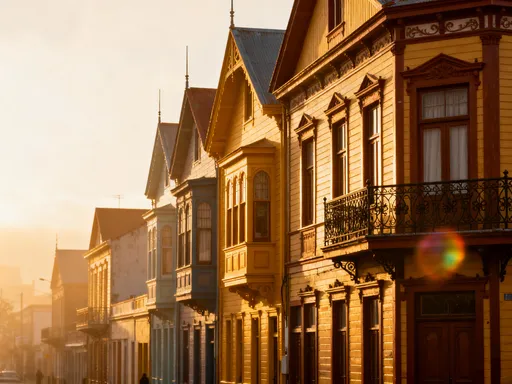
If Punta Arenas has a commercial and architectural heart, it is Calle Pedro Montt. This central avenue, named after a former Chilean president, runs parallel to the waterfront and serves as the city’s primary shopping corridor. Unlike modern malls or generic storefronts, Pedro Montt is lined with well-preserved 19th and early 20th-century buildings, each contributing to a streetscape that feels both historic and alive. The street’s rhythm—defined by consistent building heights, projecting bay windows, and rhythmic rooflines—creates a harmonious visual experience that rewards slow, attentive walking.
What sets Pedro Montt apart is how seamlessly history and commerce coexist. Small businesses occupy spaces that were once private homes or administrative offices. A former residence with ornate gables now houses a boutique selling hand-knitted wool garments. A building with a corrugated iron roof and decorative wooden fretwork contains a café where locals sip tea beneath stained-glass skylights. These transformations are not acts of erasure but of respectful adaptation—preserving the soul of the structure while giving it new purpose.
Architectural details abound. Look up, and you’ll see carved bargeboards, ornamental brackets, and rooftop finials shaped like pineapples—a traditional symbol of hospitality. Peer into shop windows framed by original wooden mullions, and notice how the play of light changes with the time of day, enhanced by multi-paned glass and deep window reveals. Even the sidewalks contribute to the experience: made of stone or brick, they invite a slower pace, encouraging visitors to pause and appreciate the craftsmanship overhead.
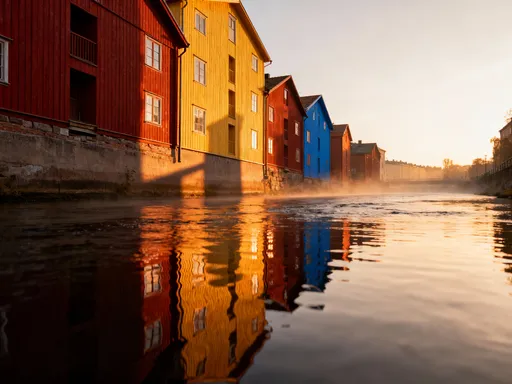
Many storeowners take pride in maintaining their buildings’ historic integrity. Repairs are done with matching materials, and paint colors are often chosen to reflect the original palette—soft greens, warm ochres, and deep maroons that echo the region’s natural hues. This attention to detail extends to the products sold within. Local woolens, handmade leather goods, and artisanal preserves are displayed with care, reinforcing the connection between place, craft, and heritage. Shopping here is not transactional; it is a sensory and emotional experience, enriched by the knowledge that every purchase supports both the business and the preservation of the building itself.
Hidden Courtyards and Interior Gems
Beyond the well-trafficked sidewalks of Pedro Montt lie quieter discoveries—hidden courtyards and interior arcades that reveal another layer of Punta Arenas’ architectural charm. These spaces, often tucked behind unassuming doors or accessed through narrow passageways, were once private patios or service yards for large homes and commercial buildings. Today, many have been thoughtfully repurposed into intimate retail and artisanal spaces, offering a sense of exclusivity and surprise.
One might stumble upon a courtyard through a wrought-iron gate on a side street, only to find a cluster of small studios where local artists sell hand-painted ceramics, silver jewelry, and woven textiles. The atmosphere is hushed, the air still, as if the surrounding city has been momentarily muted. Above, wooden balconies with turned balusters overlook the central space, while stained-glass panels cast colored light onto tiled floors. These details—some original, others carefully restored—create an environment that feels both timeless and personal.
Such spaces thrive on the principle of discovery. There is no grand signage or digital advertising; entry is often by invitation or curiosity. This deliberate obscurity enhances their appeal, making each visit feel like a private revelation. A visitor might find a woodcarver at work in a sunlit alcove, or a perfumer blending scents inspired by Patagonian flora in a room with exposed beams and antique cabinets. The architecture frames the craft, lending it dignity and context.
These interior gems also reflect a broader trend in urban design: the value of ‘in-between’ spaces. In a city shaped by wind and weather, sheltered courtyards offer refuge and comfort. Their transformation into commercial zones respects their original function—providing shelter—while adapting them to contemporary needs. Moreover, they support small-scale entrepreneurship, allowing artisans to operate without the overhead of a street-facing storefront. For visitors, they offer a slower, more contemplative form of shopping—one that prioritizes connection over convenience.
Revitalization and Preservation Efforts
The preservation of Punta Arenas’ architectural heritage is not accidental but the result of sustained community and governmental effort. Over the past three decades, local authorities have implemented policies aimed at protecting historic structures rather than replacing them with modern constructions. The city’s 1984 designation as a Zona Típica y de Conservación (Typical and Conservation Zone) marked a turning point, establishing legal protections for over 400 buildings in the downtown area. Since then, restoration projects have been supported through grants, tax incentives, and technical assistance.
One of the most successful initiatives has been the adaptive reuse of abandoned or deteriorating buildings. Rather than demolish aging structures, the city has encouraged their transformation into functional spaces that serve both residents and tourists. A former warehouse near the port, for example, now operates as a design gallery showcasing regional artists. A 1910 schoolhouse has been converted into a cultural center with a café, exhibition halls, and artisan workshops. These projects demonstrate that preservation and progress are not mutually exclusive but can reinforce one another.
Community involvement has been equally important. Local heritage groups, such as the Instituto Nacional de Patrimonio Cultural and regional historical societies, organize guided tours, educational programs, and restoration workshops. These efforts foster civic pride and ensure that younger generations understand the value of their built environment. Additionally, many private homeowners and business operators invest in maintenance and restoration, recognizing that architectural authenticity enhances both property value and customer experience.
From a tourism perspective, these preservation efforts have proven beneficial. Travelers increasingly seek authentic, place-based experiences, and Punta Arenas delivers. The city’s commitment to heritage has positioned it as a destination for cultural tourism, attracting visitors interested in architecture, history, and sustainable travel. Unlike cities that sacrifice character for modernization, Punta Arenas offers a model of balanced development—one where growth does not mean erasure.
What to Buy—and Why It Matters
Shopping in Punta Arenas is more than a leisure activity; it is an act of cultural participation. The goods available—from hand-knitted guanaco wool scarves to Magellanic honey and locally made preserves—reflect the region’s natural resources and artisanal traditions. When visitors choose to purchase from small, locally owned shops housed in historic buildings, they contribute directly to the preservation of both craft and architecture.
One of the most iconic products is woolen clothing made from guanaco or sheep’s wool. Guanaco, a native camelid, produces a soft, warm fiber that has been used by indigenous peoples for centuries. Today, local knitters continue this tradition, creating hats, gloves, and ponchos with intricate patterns that often reference Patagonian landscapes or maritime heritage. These items are not mass-produced; each piece carries the mark of the maker, visible in slight variations of stitch and color. Buying such a garment supports not only the artisan but also the continuation of a cultural practice.
Equally meaningful are the food products available in specialty shops. Magellanic honey, harvested from remote hives, has a distinctive flavor shaped by the region’s wildflowers. Small-batch jams and mermeladas made from calafate and murta berries offer a taste of Patagonia’s unique flora. These preserves are often sold in glass jars with hand-labeled designs, emphasizing their artisanal nature. Purchasing them supports local agriculture and small-scale producers who prioritize quality over quantity.
For those seeking souvenirs with deeper significance, consider items that incorporate traditional craftsmanship. Wooden carvings made from lenga or coihue, silver jewelry with nautical motifs, or hand-bound notebooks using recycled materials all reflect the region’s creative spirit. When shopping, look for signs of authenticity: natural materials, visible handwork, and seller knowledge about the product’s origin. Bargaining is not customary in Punta Arenas; prices are generally fair and reflective of production costs. Respecting this norm supports ethical commerce and honors the labor behind each item.
Beyond the Main Strip: Offbeat Shopping with Style
While Pedro Montt Street draws the majority of visitors, those willing to wander further uncover quieter, equally rewarding shopping experiences. Side streets and plazas host smaller, design-forward boutiques that often operate in meticulously restored homes. Near Plaza Muñoz Gamero, the city’s central square, several colonial-era houses have been converted into concept stores specializing in regional design, sustainable fashion, and curated homewares.
These offbeat shops offer a more personal experience. Service is attentive, conversations with owners are common, and the pace allows for genuine connection. One might find a tailor who creates modern garments using traditional wool fabrics, or a ceramicist whose glazes mimic the colors of Patagonian sunsets. The buildings themselves enhance the experience—original fireplaces, high ceilings, and restored parquet floors create an atmosphere of warmth and authenticity.
Exploring these spaces encourages a slower form of tourism—one that values depth over speed. Rather than rushing from store to store, visitors are invited to linger, to appreciate the details, and to engage with the people behind the products. This approach aligns with a growing desire for meaningful travel, where consumption is intentional and rooted in place. In these quiet corners of Punta Arenas, shopping becomes a form of storytelling, where every object carries a history and every building a memory.
Even the act of getting lost can yield rewards. A quiet alley might lead to a family-run shop selling handmade chocolates infused with local botanicals. A nondescript door might open into a gallery showcasing photographs of early 20th-century Patagonia. These discoveries are not found in guidebooks but through curiosity and presence. They remind us that the soul of a city often resides not in its landmarks but in its everyday spaces—where history, craft, and community converge.
In Punta Arenas, shopping becomes storytelling. Each building, brick, and beam carries legacy—and every purchase supports its continuation. This is travel with meaning, where beauty isn’t just seen but lived, one historic storefront at a time. To walk these streets is to participate in an ongoing narrative of resilience, creativity, and cultural pride. And in that participation, visitors do more than take something home—they become part of the story.