You Won’t Believe What I Ate While Wandering the Smokies
Wandering through the Great Smoky Mountains feels like stepping into a living postcard—lush fog-cloaked peaks, rustling forests, and the rich scent of woodsmoke in the air. But beyond the trails and vistas, something unexpected stole my heart: the food. From smoky barbecue pits to buttery cornbread at roadside stands, every bite tells a story. This isn’t just fuel for hikers—it’s heritage on a plate. In a world where travel often means checking off landmarks, the Smokies invite a different rhythm: one of lingering at kitchen counters, sharing meals with strangers, and discovering that the soul of a place is best understood through its flavors. Here, food is not an afterthought—it’s the heartbeat of the mountains.
The Rhythm of Wandering in the Smokies
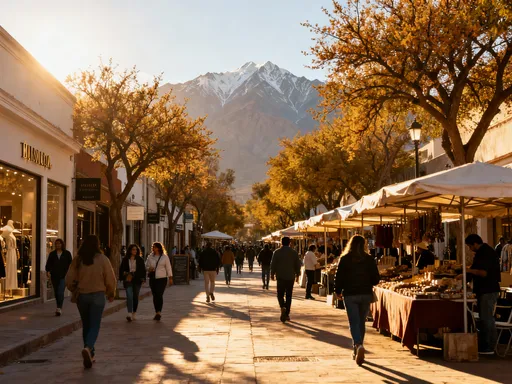
Traveling through the Great Smoky Mountains is not about speed or efficiency. It’s about allowing the landscape to set the pace. The best journeys here unfold slowly, without strict itineraries, as winding backroads lead to quiet towns where time seems to pause. This unhurried approach—what some call wandering—creates space for spontaneity, for turning down a gravel path simply because the air smells of baking bread or wood-fired grills. Unlike the structured experience of major tourist destinations like Gatlinburg or Pigeon Forge, where crowds move in predictable patterns, the true character of the region reveals itself in quieter corners: a general store in a forgotten valley, a porch swing outside a century-old farmhouse, or a farmer loading crates of apples at dawn.
Wandering fosters connection. When you’re not rushing from one attraction to the next, you begin to notice details—the way a diner owner remembers your coffee order by the third day, or how a farmer at a roadside stand insists you try a sample of her sorghum syrup “just to see if you taste the sun in it.” These moments are gateways to deeper experiences, especially around food. Meals become more than sustenance; they are invitations into local life. A simple question like “What’s good today?” can lead to a seat at a family dinner or a tour of a backyard smokehouse where recipes have been passed down for generations.
The contrast between tourist hubs and these hidden communities is striking. In the busy towns, menus are often standardized, designed for broad appeal. But just a short drive into the hills, the food changes. It becomes more personal, shaped by seasons, family traditions, and the land itself. Here, a meal might begin with beans grown in a backyard garden, cornmeal ground from local heirloom varieties, or wild ramps foraged in early spring. This is not curated authenticity—it is authenticity lived. And for the wandering traveler, it is the most rewarding kind of discovery.
Mountain Food Culture: More Than Just Comfort
Southern Appalachian cuisine is often labeled as comfort food, but that term only scratches the surface. At its core, this culinary tradition is a story of resilience, resourcefulness, and deep connection to the land. For generations, families in the Smokies lived off what they could grow, hunt, or preserve. Winters were long, supplies were limited, and nothing went to waste. This reality shaped a food culture built on preservation—smoking meats, canning vegetables, drying apples, and fermenting foods to last through the colder months. Even today, many households maintain root cellars and freezers full of summer’s harvest, a practice rooted in necessity but sustained by pride.
Seasonality is not a trend here—it is a way of life. The arrival of ramps in early spring is celebrated with festivals and family meals, while the late summer bounty of tomatoes, beans, and corn fills jars and smokehouses. Dishes like soup beans with cornbread, fried green tomatoes, and apple butter are not just meals; they are expressions of a rhythm tied to the earth. The flavors are simple but profound: smoky, tangy, earthy, and deeply satisfying. Each ingredient carries the mark of the season, the soil, and the hands that prepared it.
Modern chefs in the region are finding ways to honor these traditions while introducing subtle innovations. In small-town restaurants and farm-to-table inns, you’ll find dishes that respect the past but are presented with care and intention. A plate of fried chicken might be served with pickled ramps and sorghum-glazed carrots, elevating familiar flavors without losing their soul. These culinary updates are not about reinvention—they are about reverence. By keeping recipes alive in contemporary settings, chefs ensure that mountain food remains relevant, not relegated to nostalgia.
What makes this food culture so enduring is its communal nature. Meals are rarely eaten in silence. They are shared, discussed, and often prepared together. A church supper, a family reunion, or a harvest gathering is as much about connection as it is about eating. The food serves as a bridge—between generations, between neighbors, between past and present. To taste it is to participate in something larger than oneself, a living tradition that continues to nourish both body and spirit.
Breakfast Like a Local: Biscuits, Grits, and Front Porch Talk
There is a rhythm to mornings in the Smokies, one that begins before sunrise. Roosters crow, wood stoves are lit, and the scent of frying bacon drifts through the air. For travelers who rise early, breakfast is not just the first meal of the day—it’s an immersion into the heart of mountain hospitality. Family-run diners and country inns serve plates that are generous, hearty, and deeply rooted in tradition. A typical spread might include buttermilk biscuits split and slathered with country ham, creamy grits topped with melted butter, and sunny-side-up eggs with crisp edges. Coffee is served strong and refilled without asking, often in thick ceramic mugs that feel substantial in the hands.
One morning, at a small café in a quiet Tennessee valley, a woman named Martha greeted me by name after just two visits. “You take your coffee black, right?” she asked, already pouring. When I complimented the biscuits, she smiled and said, “My mama taught me—knead ‘em quick, bake ‘em hot.” Later, she invited me to her sister’s farmhouse for Sunday breakfast, where we sat at a long pine table with cousins, neighbors, and a visiting preacher. The meal stretched over two hours, filled with stories about droughts, weddings, and the best way to cure hams. Food was the reason we gathered, but conversation was the true feast.
These moments reveal how breakfast in the Smokies is more than nourishment—it’s a social ritual. Communal tables, shared butter dishes, and open invitations dissolve the barrier between visitor and local. There is an unspoken rule: if you’re at the table, you’re part of the family, at least for the morning. This generosity extends beyond meals. I’ve been handed jars of homemade jam “for the road,” offered a ride to a trailhead, and even invited to help gather eggs from a backyard coop—all because I asked about the sausage on my plate.
The warmth of these interactions stays with you long after the meal ends. It’s not performative hospitality; it’s genuine. In a world where service often feels transactional, the Smokies offer something different—a reminder that kindness can be as simple as a second cup of coffee and a question about your day. To eat breakfast here is to be seen, welcomed, and remembered.
Lunch on the Road: From Smoked Meats to Pickled Everything
Lunch in the Smokies is often an adventure in itself, found not in formal restaurants but along country lanes and at unmarked roadside stands. These humble outposts—sometimes just a weathered trailer or a picnic table under a tin roof—serve some of the most memorable food in the region. They are run by families who have perfected their craft over decades, often using the same smoker, the same recipe, the same wood-fired technique passed down through generations. The menu is simple: pulled pork sandwiches drenched in tangy vinegar sauce, smoked turkey legs with crackling skin, and fried bologna sandwiches on soft white bread. Sides might include pinto beans slow-cooked with ham hocks, stewed tomatoes, or potato salad made with mustard and pickle relish.
One of the most striking aspects of these meals is their sensory richness. The vinegar-based sauce, common in East Tennessee, delivers a sharp, bright flavor that cuts through the richness of the meat. It’s not sweet like Kansas City-style barbecue—it’s bold, slightly spicy, and meant to awaken the palate. The texture of the pork is tender but with a slight chew, pulled by hand rather than shredded in a mixer. And the cornbread, often served on the side, is dense and golden, baked in a cast-iron skillet until the edges are crisp. Every bite feels intentional, crafted with care rather than mass-produced for speed.
Pickled foods are another hallmark of Smoky Mountain lunches. You’ll find jars of pickled beets, green tomatoes, okra, and even watermelon rind lined up on counters. These are not afterthoughts—they are essential, adding brightness and contrast to rich, smoky dishes. The practice of pickling speaks to the region’s history of preservation, turning surplus harvests into long-lasting staples. Today, these flavors are cherished not out of necessity but out of love. A bite of crisp, tangy okra is a taste of summer captured in a jar.
What makes these roadside meals so special is their immediacy. The food is made fresh each day, often in small batches, and sold until it’s gone. There’s a quiet pride in the way a vendor will say, “We’re out of banana pudding—sold out by ten thirty,” or “Today’s beans are extra good—used the last of the heirloom butter beans.” This “what’s fresh today” approach keeps the food honest and seasonal. It also encourages travelers to slow down, to be present, and to embrace the unpredictability of the journey. You don’t come here for a guaranteed menu—you come for a moment, a flavor, a story.
Dinner Under the Pines: Community Tables and Fire-Cooked Feasts
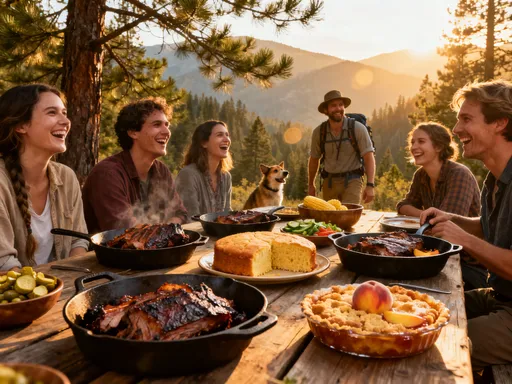
As the sun sets behind the ridgelines, the mountains take on a softer glow, and the air fills with the scent of wood smoke and simmering stews. This is when some of the most meaningful meals happen—not in restaurants, but in backyards, church basements, and community halls. These gatherings are not staged for tourists; they are real, lived events where food brings people together. A church supper might feature a long buffet table laden with casserole dishes covered in foil, each labeled with a name: “Sister Clara’s Green Bean Casserole,” “Brother Eli’s Corn Pudding.” People serve themselves, sit on folding chairs, and talk across tables, their voices rising and falling in a steady hum of conversation.
These meals are deeply rooted in tradition. Dishes like chicken and dumplings, stewed squirrel (a historic protein source still enjoyed in some families), and slow-cooked pinto beans reflect a way of eating that honors what the land provides. Apple stack cake, a regional specialty, is often served for dessert—a layered cake made with dried apple filling between thin, spiced cake layers. It’s not flashy, but it’s beloved, a symbol of patience and care. The cake takes hours to assemble, and families often bake it for weddings, reunions, or homecomings.
What makes these dinners powerful is their sense of belonging. Strangers are welcomed, children run between tables, and elders share stories from decades past. The food is served with pride, not pretense. There is no menu, no prices, no rush. You eat what is offered, and in doing so, you become part of the community, if only for an evening. These meals are not about luxury—they are about connection, about sustaining relationships as much as bodies.
Some farms and retreat centers now host farm-to-table dinners that mirror this spirit, inviting travelers to share in the harvest. Guests might help gather vegetables before sitting down to a meal cooked over an open fire. The experience is immersive, educational, and deeply satisfying. It reminds us that food is not just something we consume—it is something we grow, prepare, and share. In the Smokies, dinner is not the end of the day; it’s a celebration of it.
Sweet Endings: Cobblers, Moonshine, and Stories That Stick
No meal in the Smokies feels complete without something sweet. Desserts here are humble but heartfelt—baked in cast-iron skillets, cooled on windowsills, and served with pride. Peach cobbler is a staple, especially in summer, when orchards overflow with ripe fruit. The filling bubbles with cinnamon and sugar, the crust flaky and golden, often topped with a scoop of vanilla ice cream that melts into the warmth. Blackberry cobbler, made with berries picked from roadside thickets, is equally cherished. These cobblers are not delicate pastries; they are generous, messy, and deeply comforting—a taste of home, even if you’ve never lived here.
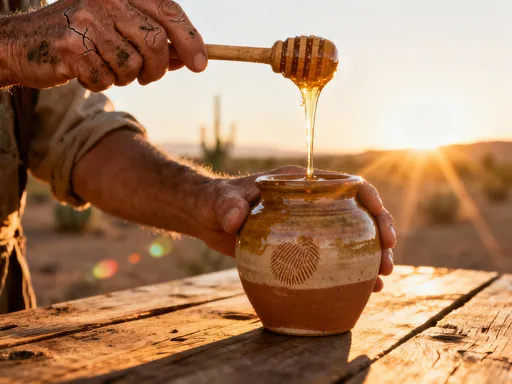
Beyond fruit desserts, you’ll find treats like sorghum cookies, molasses cake, and buttermilk pie—a custard-like dessert with a hint of tang. Sorghum, a syrup made from a tall grass grown in the region, is a sweetener with deep roots in Appalachian cooking. It’s darker and more complex than honey, with notes of caramel and spice. Many families still make their own, boiling down the cane juice in large kettles over open fires. To taste sorghum is to taste history, a flavor that has sweetened meals for generations.
For adults, the evening might include a small pour of locally made fruit wine or craft spirits. While commercial distilleries have brought attention to Appalachian moonshine, the tradition here is more about craftsmanship than rebellion. Small-batch fruit brandies, blackberry wines, and aged whiskeys reflect the same care and attention to ingredients as the food. These beverages are often shared among friends, sipped slowly, and paired with stories. A jar of elderberry wine might come with a tale about the patch where the berries were gathered, or a bottle of apple brandy with memories of a long-gone orchard.
Sweet endings are more than desserts—they are emotional anchors. The taste of a warm cobbler can bring back childhood summers, a sip of fruit wine can evoke a lost relative’s voice, a cookie can carry the scent of a grandmother’s kitchen. In the Smokies, flavor is memory. To eat these sweets is to inherit stories, to become part of a lineage of taste and tradition that stretches far beyond a single meal.
How to Taste the Smokies Like a Wanderer (Not a Tourist)
To truly experience the food of the Smokies, you must travel like a wanderer—curious, patient, and open to surprise. This means stepping off the main roads, listening to locals, and following your senses. Ask questions. At a farmers’ market, don’t just buy—talk to the vendor. “What’s your favorite way to eat these beans?” or “Did you grow these apples yourself?” More often than not, you’ll be rewarded with a recipe, a story, or even an invitation. The people here value genuine interest over polite nods.
Timing matters. Plan your visit around seasonal events: the Ramp Festival in late spring, the Apple Festival in autumn, or a county fair where pie contests draw generations of bakers. These gatherings are not performances—they are real expressions of community life. You’ll taste foods at their peak and witness traditions in action. Even better, arrive early in the morning. That’s when the baker is pulling biscuits from the oven, the farmer is setting up his stand, and the coffee is strongest. These quiet hours hold the most authentic moments.
Let your nose guide you. The scent of wood smoke, frying cornbread, or simmering beans can lead you to hidden gems—backyard barbecues, family-run eateries, or roadside stands with hand-painted signs. Don’t be afraid to try something unfamiliar. If someone offers you soup beans with fatback or a slice of persimmon pudding, say yes. Respectful curiosity is welcomed. And remember: this is not about collecting experiences like souvenirs. It’s about presence. Put down your phone, savor each bite, and listen to the stories that come with it.
Most importantly, travel slowly. Rushing through the Smokies means missing its essence. Stay in a cabin with a full kitchen, shop at local markets, and cook a meal using ingredients you’ve gathered along the way. Invite your hosts to share a plate. These small acts create connection. They transform a visit into a relationship. When you eat like a local, you don’t just taste the food—you taste the life behind it.
The true flavor of the Great Smoky Mountains isn’t found in guidebooks—it’s shared over cast-iron skillets and passed down through stories. When you wander with intention and eat with heart, you don’t just visit a place—you taste its soul.