You Won’t Believe These Hidden Public Spaces in Chennai
Chennai isn’t just about temples and beaches—there’s a quieter, more soulful side hiding in plain sight. I stumbled upon public spaces most travelers miss: leafy parks, forgotten colonial squares, and community hubs buzzing with local life. These spots aren’t on every itinerary, but they reveal the city’s true rhythm. If you want to experience Chennai like a local, not a tourist, this is where to start. Beyond the postcard sights, Chennai’s under-the-radar public areas offer serenity, connection, and a glimpse into how its people live, gather, and unwind. They’re not grand attractions, but they pulse with authenticity—places where morning walkers greet each other by name, children chase pigeons on sunlit plazas, and elders sip tea while watching the world pass by. This is urban life in its most grounded form.
The Charm of Chennai’s Overlooked Public Spaces
When most visitors think of Chennai, they picture Kapaleeshwarar Temple’s towering gopuram or the vast stretch of Marina Beach with its golden sands and kite flyers. Yet, just steps away from these well-trodden paths lie public spaces that are equally rich in character but far quieter in reputation. These are the city’s hidden lungs—small parks, shared courtyards, tree-lined avenues, and neighborhood squares where daily life unfolds without fanfare. They may not be listed in guidebooks, but they are essential to understanding Chennai’s urban fabric.
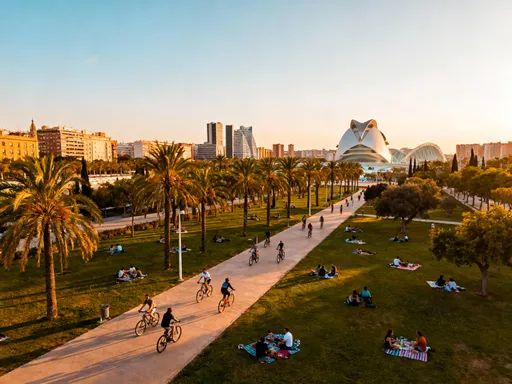
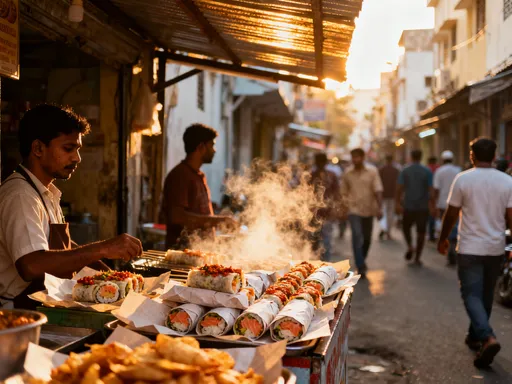
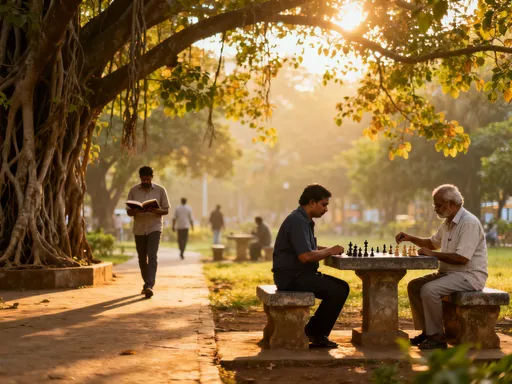
What makes these overlooked spaces so meaningful? They are not merely places to sit or pass through—they serve as social anchors, cultural touchstones, and sanctuaries from the city’s relentless pace. In the early mornings, you’ll find retirees doing gentle yoga under banyan trees, students flipping through textbooks on stone benches, and street vendors offering steaming cups of filter coffee. By evening, families gather to stroll, children play informal games of cricket, and couples walk side by side, enjoying the cool coastal breeze. These routines, repeated day after day, reflect a deep-rooted sense of community.
Moreover, these spaces embody urban resilience. In a city where population density continues to rise and concrete sprawl threatens green cover, the preservation of public areas becomes an act of quiet resistance. They offer accessible recreation for all income levels, promote physical and mental well-being, and foster intergenerational interaction. A well-maintained park or courtyard does more than beautify a neighborhood—it strengthens social cohesion. For the mindful traveler, spending time in these spaces offers a more intimate, respectful way to engage with Chennai, moving beyond observation to quiet participation in its daily rhythms.
Elliott’s Beach Park: Where Local Meets Leisure
Nestled in the leafy neighborhood of Besant Nagar, Elliott’s Beach Park is a peaceful alternative to the bustling Marina Beach just a few kilometers north. While Marina draws crowds with its wide shoreline and iconic lighthouse, Elliott’s Beach Park offers a more relaxed, community-oriented atmosphere. The park stretches along a gentle curve of coastline, lined with paved walking paths, shaded seating areas, and well-trimmed hedges that buffer the sound of passing traffic. It’s a favorite among locals who value both sea views and a sense of calm.
One of the park’s most endearing features is its integration of leisure and wellness. Every morning, small groups gather for open-air yoga sessions led by volunteer instructors. Participants, ranging from young professionals to retirees, move through sun salutations as the sun rises over the Bay of Bengal. Nearby, joggers and brisk walkers follow a marked path that runs the length of the park, often pausing to greet familiar faces. The rhythm here is unhurried, inviting visitors to slow down and sync with the tides.
What sets Elliott’s Beach Park apart is its thoughtful design and maintenance. Clean restrooms, drinking water stations, and waste bins are regularly serviced, reflecting a municipal commitment to public comfort. Benches face the sea, allowing visitors to sit and watch fishermen mend their nets or children chase waves at low tide. Families often bring breakfast—idli, dosa, or fruit—and enjoy it on the grassy patches near the playground. Unlike commercial beachfronts, this space remains refreshingly free of hawkers and loud music, preserving its serene character.
For travelers seeking authenticity, the park offers a rare blend of natural beauty and everyday life. You’re as likely to overhear a conversation about school exams as you are to catch the scent of jasmine garlands from a nearby flower seller. It’s a place where the local and the leisurely coexist, making it one of Chennai’s most underrated yet deeply rewarding public spaces.
The Hidden Courtyards of George Town
Wander beyond the main thoroughfares of George Town, and you’ll discover a network of hidden courtyards and shared verandas tucked between historic buildings. This colonial-era neighborhood, once the heart of Madras’s mercantile life, is now a UNESCO World Heritage Site tentative list contender, celebrated for its architectural heritage. But beyond the grand facades of old trading houses and ancestral mansions lie intimate communal spaces that continue to serve as social connectors.
These semi-private courtyards—often called “thinnais” or “mada veedus”—are elevated stone or concrete platforms that wrap around the ground floors of traditional homes. They function as informal gathering spots where neighbors chat, children play, and elders rest during the heat of the day. Many are shaded by overhanging roofs supported by intricately carved wooden pillars, some still adorned with remnants of stained glass or teak latticework. These architectural details speak to a bygone era of craftsmanship, yet the spaces remain vibrantly alive.
What makes these courtyards remarkable is how naturally they foster interaction. Unlike modern apartment balconies that face inward, these open thresholds encourage outward engagement. A resident sipping tea might call out to a passing acquaintance; a tailor working on a sewing machine might pause to exchange news. These micro-interactions, though fleeting, strengthen neighborhood bonds. In a city where urbanization often leads to isolation, such spaces offer a model of organic community building.
Preservation efforts have helped maintain the integrity of George Town’s streetscape, with local initiatives supporting the restoration of crumbling facades and water-damaged woodwork. Foot traffic from curious visitors also benefits small artisans—woodcarvers, brass polishers, and bookbinders—who operate tiny workshops along the lanes. While the courtyards themselves are private, their presence shapes the public experience of the area, reminding us that community life often thrives in the in-between spaces, not just in formal parks or plazas.
Nagesh Park: A Green Heart in T. Nagar
In the middle of T. Nagar—one of Chennai’s busiest commercial districts—lies a surprising oasis: Nagesh Park. Surrounded by towering shopping complexes, jewelry stores, and crowded streets, this compact green space offers a vital pause in the urban rush. Though modest in size, the park is a cherished retreat for locals who seek shade, fresh air, and a moment of quiet amidst the city’s constant motion. Its central location makes it accessible, and its consistent foot traffic speaks to its role as a neighborhood anchor.
Mornings at Nagesh Park are marked by a steady stream of walkers and light exercisers. Retirees move through tai chi-like routines, while younger office workers squeeze in a quick jog before heading to work. The park’s pathways are lined with mature rain trees and fragrant frangipani, their canopies providing dappled sunlight that shifts with the hours. Benches are strategically placed under thick foliage, offering cool resting spots even during Chennai’s warm afternoons.
By evening, the park transforms. Families arrive with young children, who play near the small fountain or swing set. Teenagers gather in clusters, chatting on benches, while older couples take slow laps around the perimeter. The atmosphere is lively but never chaotic—a testament to the park’s design and the community’s respect for shared space. Nearby, informal book stalls spring up, selling secondhand novels, Tamil poetry, and school textbooks. These vendors, often retired teachers or students earning extra income, add another layer of cultural richness to the area.
Nagesh Park exemplifies the importance of green pockets in high-density urban zones. In a city where real estate pressure threatens open spaces, the preservation of such parks is crucial. They do more than offer recreation—they reduce urban heat, improve air quality, and provide psychological relief from sensory overload. For visitors, spending time here offers a window into the daily lives of Chennai’s middle class, where leisure is simple, shared, and deeply rooted in place.
Guindy’s Public Gardens: Nature and Community Combined
While Guindy National Park is best known as a protected habitat for blackbuck and jackals, its surrounding public gardens are where most locals actually spend their time. These well-maintained lawns, walking trails, and open-air exercise areas lie just outside the main wildlife zone and are freely accessible to the public. Unlike the restricted core of the park, these peripheral spaces welcome picnickers, joggers, and weekend families, creating a vibrant blend of nature and neighborhood life.
The gardens are especially popular on weekends, when parents bring children to run freely across the grass, couples stroll hand-in-hand, and fitness groups conduct group workouts. Designated areas for badminton, cricket, and frisbee allow for casual sports, while shaded gazebos offer spaces for quiet reading or conversation. The presence of clean restrooms, drinking water, and waste bins enhances comfort and encourages longer visits. Signage is minimal but effective, guiding visitors without overwhelming the natural setting.
Accessibility is another strength. The gardens are served by multiple city bus routes and are within walking distance of residential neighborhoods like Guindy and Ashok Nagar. This ease of access ensures that people from diverse economic backgrounds can enjoy the space. Community events—such as tree-planting drives, storytelling sessions for children, and yoga workshops—are regularly organized, often in collaboration with local schools or civic groups. These activities not only promote environmental awareness but also strengthen neighborhood ties.
What makes Guindy’s public gardens special is their dual role: they are both a nature preserve and a people’s park. While the national park protects biodiversity, the surrounding gardens nurture social biodiversity—bringing together retirees, students, working parents, and artists in shared enjoyment of green space. For travelers, a visit here offers a balanced experience of Chennai’s ecological and social landscape, where conservation and community coexist in harmony.
Urban Libraries as Public Hubs: The Connemara and Beyond
Not all public spaces are outdoors. In Chennai, several municipal libraries serve as quiet sanctuaries for learning, reflection, and intellectual exchange. The most renowned is the Connemara Public Library, one of India’s four national libraries and a heritage building dating back to 1896. Housed in a grand Victorian-Gothic structure with high ceilings, arched windows, and a spiral staircase, the library exudes a timeless calm. Its reading rooms hum with the soft rustle of pages, the scratch of pens, and the occasional whisper of students deep in concentration.
Visitors to Connemara are immediately struck by its atmosphere of quiet dignity. Researchers pore over rare manuscripts, college students prepare for competitive exams, and curious locals explore sections on Tamil literature, history, and science. The library’s collection exceeds 500,000 volumes, including colonial-era records and out-of-print titles. Despite its age, the building is well-maintained, with natural light flooding the central hall and ceiling fans turning slowly overhead. Digital catalogs and reading terminals have been added, blending tradition with modern convenience.
But Connemara is not alone. Across Chennai, neighborhood libraries—such as the Anna Centenary Library and smaller municipal branches in areas like Mylapore and Royapettah—serve similar roles. These spaces are more than book repositories; they are inclusive hubs where people from all walks of life can access knowledge without cost. Many host storytelling hours for children, literacy programs, and public lectures, reinforcing their role as centers of community learning.
For travelers interested in the quieter side of urban life, spending an hour in one of these libraries offers a rare perspective. It’s a chance to observe how public institutions support lifelong learning and civic engagement. In an age of digital overload, these spaces remind us of the enduring value of silence, focus, and shared intellectual space. They are public treasures, open to all, and quietly essential to the city’s cultural health.
Design, Maintenance, and the Future of Public Life
The success of Chennai’s hidden public spaces is not accidental. It stems from a combination of thoughtful design, consistent maintenance, and community stewardship. Well-planned layouts—such as shaded seating, accessible pathways, and clear signage—make these spaces welcoming to people of all ages and abilities. The presence of clean restrooms, drinking water, and waste management systems reflects a commitment to public dignity. Safety, both perceived and real, is enhanced by regular foot traffic and, in some areas, community watch initiatives.
Municipal efforts, though sometimes underfunded, play a crucial role. The Greater Chennai Corporation has launched several urban renewal projects aimed at revitalizing neglected parks and improving green cover. Programs like “Adopt a Park” encourage local businesses and resident associations to participate in upkeep, fostering a sense of ownership. Volunteer clean-up drives, often organized by youth groups or environmental NGOs, help maintain cleanliness and raise awareness about civic responsibility.
Yet, challenges remain. Urban development pressures, traffic congestion, and air pollution threaten the long-term viability of public spaces. Some parks face encroachment, while others struggle with inconsistent maintenance. Climate change adds another layer of complexity, with rising temperatures making shaded areas more essential than ever. The future of Chennai’s public life depends on sustained investment—not just in infrastructure, but in the culture of shared space.
Travelers can contribute by visiting these spaces respectfully, supporting local vendors, and recognizing their value beyond aesthetics. When we choose to sit in a neighborhood park instead of a shopping mall, or explore a historic courtyard instead of a souvenir shop, we participate in a more authentic exchange. These spaces remind us that cities are not just collections of buildings, but living networks of people, stories, and shared moments.
Chennai’s hidden public spaces are more than just places to pass through—they’re where the city pauses, connects, and breathes. By choosing to explore them, visitors gain a deeper, more authentic understanding of urban life in South India. These spaces remind us that the soul of a city isn’t always in its monuments, but in the everyday moments shared in the open air, among people, under the shade of old trees.